
Description
What Is Ivermectin 1% Cream?
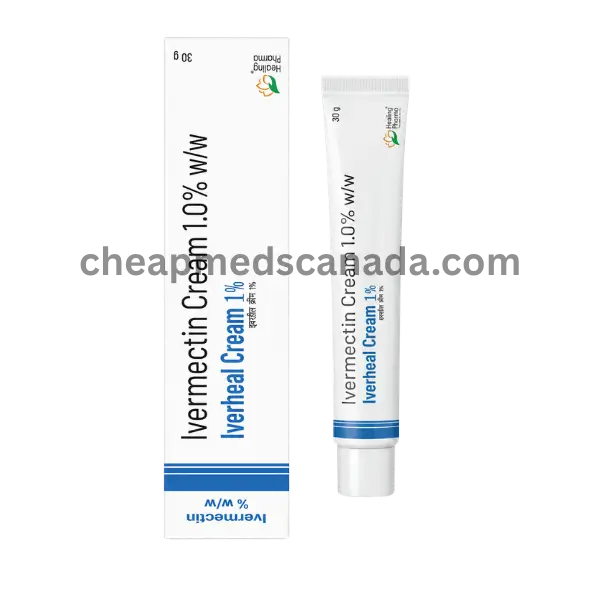
Ivermectin 1% Cream is a prescription topical medication used primarily to treat rosacea — specifically the kind that causes inflammatory bumps and pimples on the face. In Canada, it is sold under the brand name Rosiver®. In the United States, the same cream is marketed as Soolantra®.
Each gram of the cream contains 10 mg of Ivermectin, which is the active ingredient. The cream itself is a white to pale yellow, hydrophilic (water-loving) formula that absorbs into the skin without leaving a heavy or greasy feel.
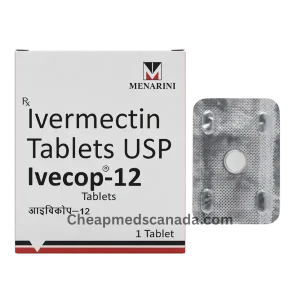
Now, you may already know Ivermectin as an antiparasitic drug — it's also available in tablet form for intestinal infections. The cream version, however, is specifically designed for the skin and works differently from the oral tablet. Systemic absorption through the skin is minimal, which makes this topical form considerably safer in terms of whole-body effects.
What Is It Used For?
Rosacea (Primary Use)
The main approved use of Ivermectin 1% Cream is treating papulopustular rosacea — a chronic skin condition that causes redness, persistent bumps, and pimple-like pustules on the face, particularly on the cheeks, nose, forehead, and chin.
Rosacea is not just acne. It's an inflammatory condition that tends to flare up and settle down in cycles, and it can significantly affect how people feel about their appearance. Ivermectin 1% Cream addresses this in two ways — it kills microscopic parasites called Demodex mites that are found in much higher numbers on rosacea-affected skin, and it also reduces skin inflammation directly.
Clinical research backs this up convincingly. In two large Phase III studies, patients who used Ivermectin 1% Cream once daily for 12 weeks saw significantly greater reductions in inflammatory lesions compared to those using a placebo. Improvements were visible as early as week two, and the results continued to get better with prolonged use. When compared head-to-head with metronidazole 0.75% cream — which has long been a standard rosacea treatment — Ivermectin 1% Cream came out on top in terms of reducing both lesion counts and improving overall skin appearance.
Other Uses
Some doctors also prescribe Ivermectin 1% Cream off-label for:
- Demodex blepharitis — an eyelid condition caused by mite overgrowth (applied carefully around the eye area under specialist guidance)
- Demodicosis — a broader skin condition involving Demodex mite infestation
These are less common uses and will typically be directed by a specialist rather than a general practitioner.
How to Apply Ivermectin 1% Cream — Step by Step
Getting the most out of this medication really comes down to applying it correctly and sticking to the routine. Here's what you need to do.
- Step 1: Wash your face with a gentle, soap-free cleanser and pat the skin dry — don't rub
- Step 2: Squeeze out a pea-sized amount for each area of the face you're treating (forehead, chin, nose, left cheek, right cheek)
- Step 3: Spread the cream in a thin, even layer over the affected areas
- Step 4: Avoid getting the cream in your eyes, inside your nostrils, or on your lips — if that happens accidentally, rinse immediately with cool water
- Step 5: Wash your hands thoroughly after applying — this is important and easy to forget
- Step 6: Apply once daily, ideally in the evening before bed
A few additional things worth knowing:
- You don't need to rinse the cream off after application — leave it on
- Don't apply moisturiser or sunscreen at the exact same time; give the cream a few minutes to settle first
- If your skin feels dry or irritated, a fragrance-free moisturiser is fine to use — just apply it separately
- Sunscreen during the day is highly recommended when using this medication, as rosacea-affected skin tends to be sensitive to UV exposure
When Will You Start Seeing Results?
This is probably the question most people have. The honest answer is — it takes a bit of patience.
Most patients begin to notice some improvement within two to four weeks of consistent daily use. However, the more meaningful changes — a real reduction in bumps, pimples, and redness — typically become evident around the eight to twelve week mark. In fact, clinical studies show that the effectiveness of this cream keeps improving the longer you use it, which means staying consistent matters a lot.
One thing to keep in mind: skipping days or stopping early because you don't see instant results is one of the most common reasons treatment fails. This medication rewards consistency, not impatience.
Side Effects — What Your Skin Might Experience
Ivermectin 1% Cream is well tolerated by most people, and because absorption through the skin is low, systemic (whole-body) side effects are uncommon. That said, some localised skin reactions can occur, especially in the first few weeks as your skin adjusts.
Common Skin Reactions (Usually Temporary)
- Mild burning or stinging right after application
- Skin dryness or flaking
- Temporary redness or irritation at the site of application
- Occasional itching
These tend to settle down on their own within a few days to a couple of weeks. Applying the cream to fully dry skin (wait a few minutes after washing your face) can help reduce initial stinging.
Less Common Reactions
- Contact dermatitis — a localised allergic skin reaction
- Worsening redness that doesn't improve after two weeks of use
If you experience persistent or worsening skin irritation, speak with your dermatologist before continuing. It could be a reaction to one of the inactive ingredients rather than the Ivermectin itself.
Serious Reactions (Rare — Seek Medical Help Immediately)
Severe allergic reactions to topical Ivermectin are rare, but they can happen. Watch for:
- Significant swelling of the face, eyes, or lips
- Hives that spread beyond the application area
- Difficulty breathing or tightness in the chest
- Dizziness or feeling faint
If any of these occur, stop using the cream and go to an emergency room or call 911 right away.
Who Should Be Cautious With This Cream?
Pregnant women: Ivermectin is classified as Pregnancy Category C, meaning animal studies showed some concern at high oral doses, but there's limited data on topical use. The systemic absorption from the cream is very low, but your doctor should still be made aware if you are pregnant or planning to become pregnant.
Breastfeeding mothers: It's not yet confirmed whether Ivermectin from topical application passes into breast milk in significant amounts. As a precaution, discuss this with your healthcare provider before using it while nursing.
People with known Ivermectin allergy: If you've ever reacted to Ivermectin in any form — topical or oral — do not use this cream.
Children: Ivermectin 1% Cream is intended for adult use. Safety and effectiveness in children have not been established for rosacea treatment.
Elderly patients: Older adults can use this cream, though they may be slightly more sensitive to skin reactions. Doctors in Canada typically monitor elderly patients a bit more closely during treatment.
Drug Interactions
Because the cream is applied topically and absorbs into the bloodstream in very small amounts, drug interactions are much less of a concern here than with oral Ivermectin. That said, it's always good practice to let your doctor or pharmacist know about all medications you're currently using — including prescription drugs, OTC products, vitamins, and herbal supplements.
One known interaction to flag: Warfarin (blood thinners). Ivermectin has been shown to enhance the effects of Warfarin even in small amounts, so if you're on a blood thinner, your doctor needs to know.
How to Store It
- Room temperature storage — between 20°C and 25°C is ideal
- Keep away from direct sunlight and heat sources
- Do not freeze the cream
- Store out of reach of children
- Always check the expiry date before use; do not use an expired tube
What Is Ivermectin 1% Cream?
Ivermectin 1% Cream is a prescription topical medication used primarily to treat rosacea — specifically the kind that causes inflammatory bumps and pimples on the face. In Canada, it is sold under the brand name Rosiver®. In the United States, the same cream is marketed as Soolantra®.
Each gram of the cream contains 10 mg of Ivermectin, which is the active ingredient. The cream itself is a white to pale yellow, hydrophilic (water-loving) formula that absorbs into the skin without leaving a heavy or greasy feel.
Now, you may already know Ivermectin as an antiparasitic drug — it's also available in tablet form for intestinal infections. The cream version, however, is specifically designed for the skin and works differently from the oral tablet. Systemic absorption through the skin is minimal, which makes this topical form considerably safer in terms of whole-body effects.
What Is It Used For?
Rosacea (Primary Use)
The main approved use of Ivermectin 1% Cream is treating papulopustular rosacea — a chronic skin condition that causes redness, persistent bumps, and pimple-like pustules on the face, particularly on the cheeks, nose, forehead, and chin.
Rosacea is not just acne. It's an inflammatory condition that tends to flare up and settle down in cycles, and it can significantly affect how people feel about their appearance. Ivermectin 1% Cream addresses this in two ways — it kills microscopic parasites called Demodex mites that are found in much higher numbers on rosacea-affected skin, and it also reduces skin inflammation directly.
Clinical research backs this up convincingly. In two large Phase III studies, patients who used Ivermectin 1% Cream once daily for 12 weeks saw significantly greater reductions in inflammatory lesions compared to those using a placebo. Improvements were visible as early as week two, and the results continued to get better with prolonged use. When compared head-to-head with metronidazole 0.75% cream — which has long been a standard rosacea treatment — Ivermectin 1% Cream came out on top in terms of reducing both lesion counts and improving overall skin appearance.
Other Uses
Some doctors also prescribe Ivermectin 1% Cream off-label for:
- Demodex blepharitis — an eyelid condition caused by mite overgrowth (applied carefully around the eye area under specialist guidance)
- Demodicosis — a broader skin condition involving Demodex mite infestation
These are less common uses and will typically be directed by a specialist rather than a general practitioner.
How to Apply Ivermectin 1% Cream — Step by Step
Getting the most out of this medication really comes down to applying it correctly and sticking to the routine. Here's what you need to do:
- Step 1: Wash your face with a gentle, soap-free cleanser and pat the skin dry — don't rub
- Step 2: Squeeze out a pea-sized amount for each area of the face you're treating (forehead, chin, nose, left cheek, right cheek)
- Step 3: Spread the cream in a thin, even layer over the affected areas
- Step 4: Avoid getting the cream in your eyes, inside your nostrils, or on your lips — if that happens accidentally, rinse immediately with cool water
- Step 5: Wash your hands thoroughly after applying — this is important and easy to forget
- Step 6: Apply once daily, ideally in the evening before bed
A few additional things worth knowing:
- You don't need to rinse the cream off after application — leave it on
- Don't apply moisturiser or sunscreen at the exact same time; give the cream a few minutes to settle first
- If your skin feels dry or irritated, a fragrance-free moisturiser is fine to use — just apply it separately
- Sunscreen during the day is highly recommended when using this medication, as rosacea-affected skin tends to be sensitive to UV exposure
When Will You Start Seeing Results?
This is probably the question most people have. The honest answer is — it takes a bit of patience.
Most patients begin to notice some improvement within two to four weeks of consistent daily use. However, the more meaningful changes — a real reduction in bumps, pimples, and redness — typically become evident around the eight to twelve week mark. In fact, clinical studies show that the effectiveness of this cream keeps improving the longer you use it, which means staying consistent matters a lot.
One thing to keep in mind: skipping days or stopping early because you don't see instant results is one of the most common reasons treatment fails. This medication rewards consistency, not impatience.
Side Effects — What Your Skin Might Experience
Ivermectin 1% Cream is well tolerated by most people, and because absorption through the skin is low, systemic (whole-body) side effects are uncommon. That said, some localised skin reactions can occur, especially in the first few weeks as your skin adjusts.
Common Skin Reactions (Usually Temporary)
- Mild burning or stinging right after application
- Skin dryness or flaking
- Temporary redness or irritation at the site of application
- Occasional itching
These tend to settle down on their own within a few days to a couple of weeks. Applying the cream to fully dry skin (wait a few minutes after washing your face) can help reduce initial stinging.
Less Common Reactions
- Contact dermatitis — a localised allergic skin reaction
- Worsening redness that doesn't improve after two weeks of use
If you experience persistent or worsening skin irritation, speak with your dermatologist before continuing. It could be a reaction to one of the inactive ingredients rather than the Ivermectin itself.
Serious Reactions (Rare — Seek Medical Help Immediately)
Severe allergic reactions to topical Ivermectin are rare, but they can happen. Watch for:
- Significant swelling of the face, eyes, or lips
- Hives that spread beyond the application area
- Difficulty breathing or tightness in the chest
- Dizziness or feeling faint
If any of these occur, stop using the cream and go to an emergency room or call 911 right away.
Who Should Be Cautious With This Cream?
Pregnant women: Ivermectin is classified as Pregnancy Category C, meaning animal studies showed some concern at high oral doses, but there's limited data on topical use. The systemic absorption from the cream is very low, but your doctor should still be made aware if you are pregnant or planning to become pregnant.
Breastfeeding mothers: It's not yet confirmed whether Ivermectin from topical application passes into breast milk in significant amounts. As a precaution, discuss this with your healthcare provider before using it while nursing.
People with known Ivermectin allergy: If you've ever reacted to Ivermectin in any form — topical or oral — do not use this cream.
Children: Ivermectin 1% Cream is intended for adult use. Safety and effectiveness in children have not been established for rosacea treatment.
Elderly patients: Older adults can use this cream, though they may be slightly more sensitive to skin reactions. Doctors in Canada typically monitor elderly patients a bit more closely during treatment.
Drug Interactions
Because the cream is applied topically and absorbs into the bloodstream in very small amounts, drug interactions are much less of a concern here than with oral Ivermectin. That said, it's always good practice to let your doctor or pharmacist know about all medications you're currently using — including prescription drugs, OTC products, vitamins, and herbal supplements.
One known interaction to flag: Warfarin (blood thinners). Ivermectin has been shown to enhance the effects of Warfarin even in small amounts, so if you're on a blood thinner, your doctor needs to know.
How to Store It
- Room temperature storage — between 20°C and 25°C is ideal
- Keep away from direct sunlight and heat sources
- Do not freeze the cream
- Store out of reach of children
- Always check the expiry date before use; do not use an expired tube
Yes. Allow the cream to absorb fully into the skin before applying makeup or other skincare products. Waiting a few minutes after application helps ensure the medication has time to dry properly.
Can I wear makeup over Ivermectin 1% Cream?
Yes. Ivermectin 1% Cream is available by prescription only in Canada. A licensed healthcare provider must evaluate your condition and provide a valid prescription before treatment can begin.
Do I need a prescription for Ivermectin 1% Cream in Canada?
Ivermectin 1% Cream is primarily approved for use on the face to treat inflammatory lesions associated with rosacea. If you have symptoms affecting other areas, consult your healthcare provider before applying the cream outside the prescribed treatment area.
Can I use Ivermectin 1% Cream on my neck or chest?
Ivermectin 1% Cream is a topical treatment used for certain skin conditions, particularly rosacea. Oral ivermectin tablets are used for specific parasitic infections. These products are intended for different conditions and should not be used interchangeably.
How is Ivermectin 1% Cream different from Ivermectin tablets?
Rosacea is often a chronic condition, and symptoms may gradually return after treatment is discontinued. Your healthcare provider may recommend a maintenance plan to help keep symptoms under control over the long term.
What happens if I stop using Ivermectin 1% Cream after my skin clears?
Some patients begin noticing improvement within a few weeks, but significant results often take 8 to 12 weeks of consistent daily use. Continue treatment as directed and follow up with your healthcare provider if symptoms do not improve.
How long does Ivermectin 1% Cream take to work?
Final Thoughts
Ivermectin 1% Cream is one of the more effective options available for rosacea management today. The research is solid, the tolerability is generally good, and for many patients, it delivers results that other topical treatments haven't been able to match. That said, it requires commitment — results don't appear overnight, and the cream works best when used consistently over several weeks.
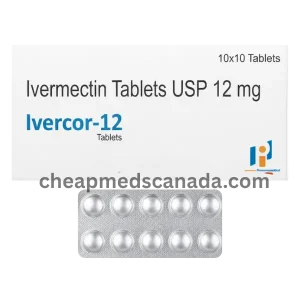
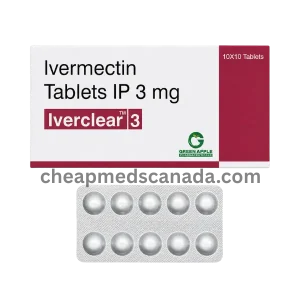
If you're also interested in learning more about oral Ivermectin tablets, our Ivercor 3 Mg, Ivercor 6 Mg, or Ivercor 12 Mg guides go into full detail on how those work and what conditions they treat.
Ivermectin 1% Cream is a prescription topical medication intended for use only as directed by a healthcare professional. The content on this page is provided for informational purposes and should not be relied upon as medical advice, diagnosis, or treatment recommendations.
Before using this cream, discuss your medical history, skin conditions, allergies, and current medications with your healthcare provider. Avoid contact with the eyes, mouth, and other sensitive areas unless specifically instructed by a medical professional.
Reviews
There are no reviews yet.