
Description
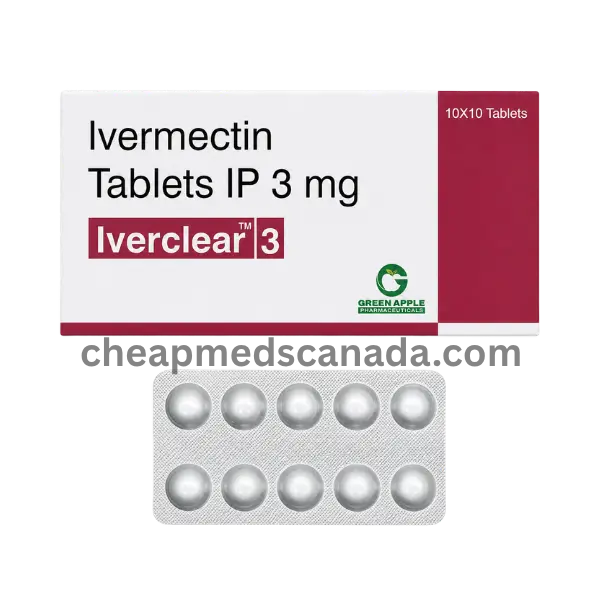
What Exactly Is Ivercor 3 Mg?
Ivercor 3 Mg contains Ivermectin as its active ingredient. It belongs to a group of medicines called antiparasitics — drugs that are specifically designed to kill parasites living inside or on the body.
Ivermectin has been around for decades and has quite a reputation in the medical world. The World Health Organisation (WHO) added it to its Essential Medicines List, which is basically a global shortlist of drugs that matter most for human health. That alone tells you how seriously the medical community takes this medication.
Here's the thing though — Ivercor 3 Mg is not something you pick up off the shelf and start taking on your own. The right dose depends entirely on your body weight, the specific infection you have, and other health factors your doctor needs to assess. So please, get a proper prescription before you start.
What Conditions Does Ivercor 3 Mg Treat?
Doctors prescribe Ivercor 3 Mg for several different parasitic infections. Some of these are more common than others, but all of them respond well to Ivermectin when it's used correctly.
- Strongyloidiasis — A roundworm infection that settles in the intestines, caused by Strongyloides stercoralis
- Onchocerciasis — Also called River Blindness, this one affects your skin and eyes and is spread through blackfly bites
- Scabies — Tiny mites burrow into your skin and cause intense itching; Ivermectin is used especially in stubborn or severe cases
- Filariasis — A mosquito-borne disease that affects your lymphatic system and can cause serious swelling
- Intestinal Worm Infections — Hookworm, pinworm, and similar infections also fall under its treatment range
- Head Lice — Usually handled through the topical (applied to skin) version of Ivermectin rather than the tablet
Now, you may have come across claims that Ivermectin treats COVID-19. To be very clear — it does not. Health Canada, the WHO, and the FDA have all confirmed this. There is no credible clinical evidence supporting its use for COVID-19, and taking it for that reason could actually cause you harm.
Dosage Guide — How Much Should You Take?
Ivercor 3 Mg dosage is never fixed. It changes based on your weight, which means your doctor does a calculation before deciding how many tablets you need. Do not adjust the dose yourself.
Typical Dose Ranges by Condition
| Infection | Recommended Dose |
|---|---|
| Strongyloidiasis | 0.2 mg/kg body weight — one-time dose |
| Onchocerciasis | 0.15 mg/kg — repeated every 3 to 12 months |
| Scabies (moderate/severe) | 0.2 mg/kg — given on days 1, 2, 8, 9, and 15 |
| Filariasis | 0.4 mg/kg — taken once a year |
A Few Things to Keep in Mind When Taking It
- Empty stomach is best — take the tablet at least an hour before you eat anything
- Swallow it whole — with a big glass of water; do not crush, split, or chew it
- Same time daily if you are on a multi-dose schedule — consistency helps
- Finish the course — stopping early because you feel better is one of the most common mistakes people make with antiparasitic medications
Side Effects — What Your Body Might Experience
Most people who take Ivercor 3 Mg don't have a hard time with it. The side effects, when they do appear, are usually mild and short-lived. That said, you should know what to look out for.
The Common Ones (Usually Nothing to Worry About)
- Feeling nauseous, especially in the first day or two
- Dizziness or a slight feeling of being off-balance
- Loose stools or mild diarrhoea
- Fatigue or general body weakness
- Drowsiness — so be careful with driving
- A dull headache that comes and goes
These typically fade within two to three days. Some doctors actually say the initial discomfort can be your body's response to the parasites dying off — what's called the Mazzotti reaction in onchocerciasis patients.
Serious Side Effects — These Need Immediate Attention
Rarely, some people experience reactions that are more serious. If any of the following happen, stop taking the medication and get to an emergency room right away.
- Swelling in your face, lips, or throat — especially if it comes on suddenly
- Severe skin rash or hives that spread quickly
- Chest tightness or trouble breathing
- Confusion, disorientation, or difficulty staying conscious
- High fever paired with a stiff neck
- Sudden blurry vision or eye pain
These are not common, but they are serious. Don't wait and see if they go away on their own.
Who Should Be Careful With This Medication?
Ivercor 3 Mg works well for most adults and older children, but there are certain groups who need extra care — or should avoid it altogether.
- Pregnant women — There isn't enough safety data from clinical studies to say it's completely safe during pregnancy. Doctors will only recommend it if the benefit clearly outweighs any potential risk
- Breastfeeding mothers — Ivermectin does pass into breast milk in small amounts. Have a conversation with your doctor before taking it while nursing
- People with HIV or weakened immunity — They often need more than one course of treatment and should be monitored regularly throughout
- Anyone with liver problems — Your liver processes this medication, so existing liver issues can affect how the drug behaves in your body
- Children under 15 kg — Generally not recommended for very small children; always check with a paediatrician
- People with a known allergy to Ivermectin — If you've reacted to it before, do not take it again without specialist guidance
One more thing worth repeating — stay away from alcohol during your treatment. It doesn't mix well with Ivermectin and tends to make side effects like dizziness noticeably worse.
Drug Interactions Worth Knowing About
Before your doctor writes the prescription, make sure you've told them about every single medication you're currently on. This includes prescription drugs, vitamins, supplements, and even herbal teas or remedies.
A few known interactions to be aware of:
- Warfarin and other blood thinners — Ivermectin can amplify their effects, raising the risk of bleeding
- Anti-epileptic drugs — Combined use can put more strain on the central nervous system
- Other antiparasitic medicines — Taking two at once can tip into toxicity territory
- St. John's Wort and some herbal supplements — These can interfere with how Ivermectin is metabolised
Your pharmacist is also a great resource here — don't hesitate to run your full medication list by them before you start.
Missed a Dose? Or Took Too Much?
Missed dose: Since Ivercor 3 Mg is often given as a single dose, this usually isn't an issue. But if you're on a multi-day schedule and you miss one, just take it as soon as you remember. If your next dose is coming up soon, skip the missed one and carry on. Never double up.
Overdose: This is a genuine emergency. Symptoms can include severe vomiting, shaking, extreme dizziness, and in serious cases, loss of consciousness.
Storing Your Medication the Right Way
- Room temperature storage is fine — just keep it below 30°C
- Away from bathrooms and kitchen areas where moisture builds up
- Out of direct sunlight
- Original packaging is best until you're ready to take it
- Well out of reach of children at all times
- Check the expiry date before taking — expired tablets should be returned to a pharmacy for proper disposal
How long before I notice Ivercor 3 Mg is working?
Many patients begin noticing improvement within the first week of treatment, although the exact timeline depends on the type of infection being treated. If symptoms do not improve or continue to worsen after 7 to 10 days, consult your healthcare provider for further evaluation.
Can I buy Ivercor 3 Mg without a prescription in Canada?
No. Ivercor 3 Mg is a prescription-only medication in Canada. A licensed healthcare provider must assess your condition and determine the appropriate dosage before treatment begins.
Is Ivercor 3 Mg commonly prescribed for scabies?
Yes. Oral ivermectin is a well-established treatment option for certain cases of scabies, particularly moderate-to-severe infections, outbreaks, or cases that have not responded adequately to topical treatments. Your healthcare provider may also recommend additional treatments when appropriate.
Is Ivercor 3 Mg safe for older adults?
Many older adults can use Ivercor 3 Mg safely under medical supervision. Because kidney and liver function may change with age, healthcare providers may monitor treatment more closely and adjust recommendations when necessary.
Can I take Ivercor 3 Mg with food?
Ivercor 3 Mg is usually taken on an empty stomach with a full glass of water unless your healthcare provider advises otherwise. Following dosing instructions helps ensure the medication works effectively.
Should I take an extra dose if symptoms remain?
No. Do not increase the dose or take additional tablets unless specifically instructed by your healthcare provider. Some infections require follow-up evaluation before further treatment is recommended.
Wrapping Up
Ivercor 3 Mg has a strong, well-established track record for treating parasitic infections — and for good reason. It works. But like any prescription medication, it needs to be taken the right way, at the right dose, under proper medical supervision.
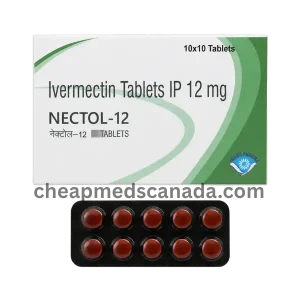
If you're looking for more information on higher-strength options, you might find our guides on Ivercor 6 Mg and Ivercor 12 Mg useful. We also have detailed pages on treatments for scabies, filariasis, and other Ivermectin-based medications if you'd like to explore further.
The information provided on this page is intended for educational purposes only and should not be used as a substitute for professional medical advice, diagnosis, or treatment. Ivercor 3 Mg contains Ivermectin, a prescription medication that should be used only under the supervision of a qualified healthcare professional.
Always follow your healthcare provider's instructions regarding dosage and duration of treatment. Inform your doctor about any existing medical conditions, allergies, or medications you are currently taking before using this product.
Reviews
There are no reviews yet.