
Ivermectin
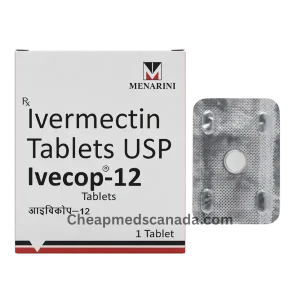
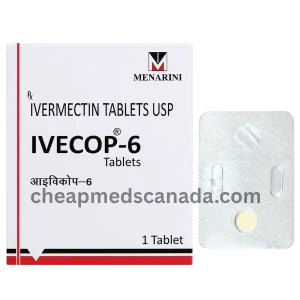
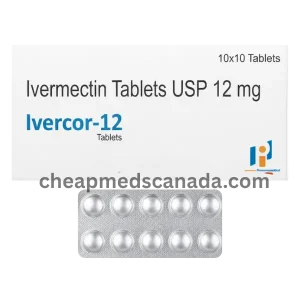
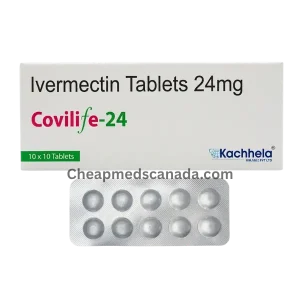
Ivermectin is a prescription medication most commonly used to treat certain parasitic infections. Depending on the product, it may be used as an oral treatment or a topical option under medical guidance.
-
 Out of stock
 -
-

-
-
-
What is ivermectin used for?
Ivermectin is an antiparasitic medicine. In humans, it’s used for specific infections caused by parasites. The exact use depends on the product and what your clinician is treating.
Common medical uses include treatment for certain worm infections (like strongyloidiasis and onchocerciasis in many guidelines). In some settings, clinicians may also prescribe it for conditions like scabies or lice, depending on local practice and what’s appropriate for the patient.
One important note: you’ll see a lot of internet claims about ivermectin for viral illnesses. I’m not going to pretend this is a grey area. Ivermectin is not approved as a treatment for COVID-19, and you should only use it for a legitimate, prescribed indication.
How ivermectin works (simple version)
Parasites have nervous system pathways that ivermectin can disrupt, which helps paralyze or kill the parasite. That’s why it’s useful for certain infections, and also why the dosing needs to be correct.
How it’s usually taken
Ivermectin dosing is not “one-size-fits-all.” It’s commonly based on your weight and the condition being treated. Some infections require a single dose, others need repeated dosing, and some cases involve treating close contacts too (for example, in scabies outbreaks).
Because the regimen can vary a lot, it’s best to follow the prescription directions exactly and ask a pharmacist if anything feels unclear.
Safety basics and things to watch for
Most people tolerate ivermectin reasonably well, but side effects can happen. Commonly reported ones include:
- Nausea or stomach upset
- Dizziness or tiredness
- Headache
- Skin rash or itching
In certain parasitic infections, symptoms can flare as the parasites die off. For example, in onchocerciasis, inflammation-related reactions can occur (sometimes called a Mazzotti-type reaction). That does not mean the medication is “poisoning” you, but it does mean you should be monitored, especially if you have a heavy parasite load.
Seek urgent medical care if you have severe allergic-type reactions (swelling, trouble breathing), confusion, severe weakness, fainting, or anything that feels rapidly worse.
Interactions and who should be extra careful
This is not a full list, but a few practical cautions:
- If you take warfarin or other blood thinners, ask your prescriber and pharmacist to check for interactions and monitoring needs.
- If you have liver problems, dosing and monitoring may need extra care.
- If you are pregnant, trying to conceive, or breastfeeding, don’t guess. Ask a clinician to weigh risks and benefits for your specific situation.
- Use only human-prescribed ivermectin. Veterinary products are formulated differently and can be dangerous.
FAQs
Do I need a prescription for ivermectin?
In many countries, yes. Whether it’s prescription-only where you live depends on local rules and the formulation.
Can I use ivermectin “just in case” or for prevention?
That’s not a good idea. It should be used for a clear, diagnosed or strongly suspected parasitic infection under medical guidance.
How fast does ivermectin work?
It depends on what’s being treated. Some people notice improvement within days, while skin-related symptoms (like itching) can take longer to settle even after the parasites are gone.
Is ivermectin safe?
For many patients, it can be safe when prescribed correctly. The bigger risks come from incorrect dosing, using the wrong product, or taking it for the wrong reason.