
Acne Treatment Medicines
Acne is a common skin condition that occurs when hair follicles become blocked with oil, dead skin cells, and inflammation. This category includes acne treatment options such as topical retinoid medicines used under medical guidance.
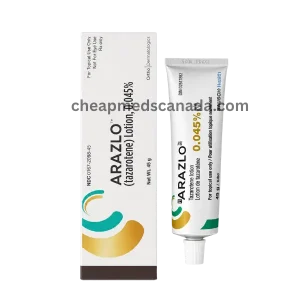
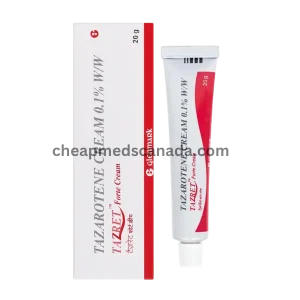
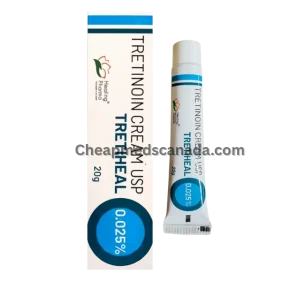
Acne treatments: what you are actually treating
Most breakouts come from a mix of things: pores getting blocked by oil and dead skin, bacteria growing in that trapped oil, and inflammation that turns a small bump into a sore spot. Stress, hormones, certain skincare products, and genetics can all play a role. If your acne is sudden, severe, or comes with other changes (like irregular periods or new facial hair), it is worth checking in with a clinician.
Common types of acne products you will see here
Different products help in different ways, so picking the right option is mostly about matching the treatment to what you see on your skin.
Topical retinoids (like tretinoin)
Often used for clogged pores and “texture” acne. They help keep pores from blocking up. Expect a ramp-up period, dryness, and possible purging early on. Sunscreen matters because retinoids can make you more sun-sensitive.
Benzoyl peroxide and antibacterial options
Benzoyl peroxide helps cut down acne bacteria and inflammation. It can bleach towels and pillowcases, so use white fabrics if you can. Some acne antibiotics (topical or oral) may also be used, usually for inflamed acne. Antibiotics are typically not a forever treatment, and they are often paired with benzoyl peroxide to reduce resistance.
Azelaic acid and other gentle actives
Often chosen if your skin is easily irritated, or if you are also dealing with post-acne marks. It can be a nice middle ground for people who cannot tolerate stronger options.
Oral treatments (for moderate to severe acne)
If acne is widespread, painful, or scarring, oral options may be considered by a prescriber. Isotretinoin can be very effective for severe acne, but it is not casual skincare. It needs medical supervision because side effects and monitoring are a real thing, and it is not safe during pregnancy.
How to choose the right acne medication for your skin
- Mostly blackheads and bumps: a retinoid-type product is often the backbone.
- Red, tender pimples: benzoyl peroxide and, in some cases, an antibiotic plan may help.
- Dark marks left behind: azelaic acid or a retinoid plus daily sunscreen can help over time.
- Painful nodules or scarring: do not “push through” for months. Talk to a clinician earlier.
If you are building a routine, keep it simple: one treatment product at a time, a gentle cleanser, moisturizer, and sunscreen. Overdoing it is one of the fastest ways to end up with irritated skin that breaks out even more.
A few real-world tips that help
- Give a new acne treatment 8 to 12 weeks before deciding it “doesn’t work,” unless you are reacting badly.
- Acne products can be drying. Moisturizer is not optional, it is part of staying consistent.
- If you are pregnant, trying to conceive, or breastfeeding, ask a clinician before using prescription acne creams or oral treatments.
FAQs about acne treatment
How long does acne treatment take to work?
Many people notice early changes in a few weeks, but more meaningful results often take 8 to 12 weeks.
Can I combine multiple acne creams?
Sometimes, yes, but combining too many strong actives at once often leads to irritation. If you are using a retinoid, adding benzoyl peroxide or acids may need careful timing and spacing.
Do acne antibiotics cure acne permanently?
Not usually. They can calm inflammation, but acne often needs a maintenance plan (like a topical retinoid) to keep pores clear.
What if my acne is leaving scars?
That is a sign to take it seriously. Earlier treatment can reduce the risk of permanent scarring, and a clinician can guide stronger options if needed.