
Asthma
Asthma is a long-term condition where the airways get irritated and tighten up, making breathing feel hard work. In this category you’ll find commonly used asthma medications, including rescue inhalers and daily controller treatments.
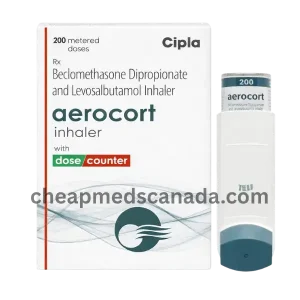
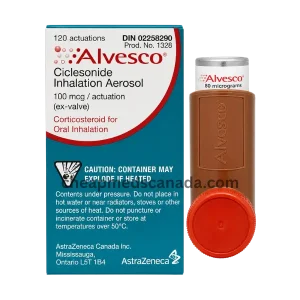
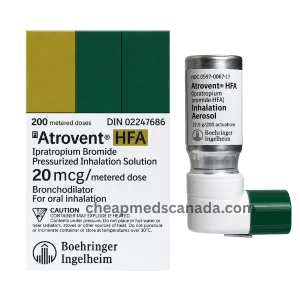
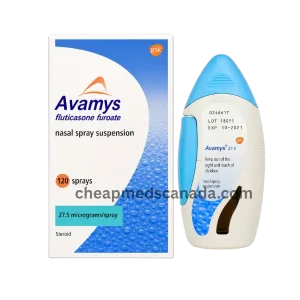

What Is Asthma?
With asthma, the breathing tubes in your lungs can become extra sensitive. When something sets them off (like smoke, pollen, a cold, or even cold air), the airway lining can swell, the muscles can squeeze, and mucus can build up. That mix is what leads to wheezing, coughing, chest tightness, and shortness of breath.
Asthma can be mild and occasional for some people, and frequent or severe for others. If you’re not sure what type you have, a clinician usually confirms it with your history and breathing tests like spirometry.
Common asthma symptoms
People describe asthma differently, but these come up a lot:
- Wheezing (a whistling sound when you breathe out)
- Coughing, often worse at night or early morning
- Chest tightness or pressure
- Shortness of breath during activity or with a cold
- Symptoms that come and go, sometimes with certain seasons
If symptoms are sudden, severe, or getting worse quickly, that’s not something to “wait out.”
Triggers that often cause flare-ups
Not everyone has the same triggers, but common ones include:
- Viral infections (colds, flu)
- Allergens (dust mites, pollen, pet dander, mold)
- Smoke and strong fumes (cigarettes, wildfire smoke, cleaning sprays)
- Cold air and weather changes
- Exercise, especially when asthma is not well controlled
- Acid reflux (GERD) in some people
A practical tip: if you’re using your rescue inhaler a lot, it usually means your asthma is not as controlled as it could be.
Asthma treatment options you’ll see (and what they do)
Most asthma plans use a mix of “quick relief” and “prevention” medicines. Your prescriber decides what fits based on symptoms and test results.
1) Rescue inhalers (quick-relief bronchodilators)
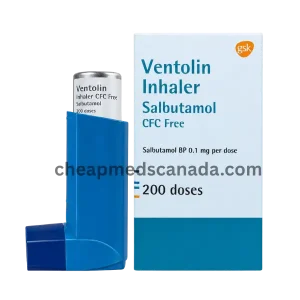
These open the airways fast and are used during an attack or right before a known trigger (like exercise) if your clinician recommends it. A common ingredient is albuterol or salbutamol.
2) Controller inhalers (daily prevention)
These help calm airway inflammation over time so you have fewer flare-ups.
- Inhaled corticosteroids (often the foundation of long-term control), such as medicines that contain budesonide or fluticasone.
- Combination inhalers that include a steroid plus a long-acting bronchodilator for people who need more than a steroid alone.
3) Leukotriene receptor antagonists (tablets)
Medicines like montelukast may be used for some people, especially when allergies play a role, or when an inhaler plan needs backup.
4) Other options (case by case)
Some people may be prescribed additional inhalers or allergy-focused treatments. For severe asthma, there are also specialist therapies, but those are usually managed through a clinic.
Using asthma medicines safely
A few things that matter more than most people think:
- Inhaler technique is huge. Even the right medicine can “fail” if it’s not getting into the lungs properly.
- If you use a steroid inhaler, rinsing your mouth after use is often recommended to lower the chance of irritation or thrush.
- Don’t change doses or stop a controller medication suddenly unless your prescriber tells you to.
Many asthma medications require a prescription. If you’re unsure what you need, it’s safer to confirm with a clinician rather than guessing.
FAQs
Is asthma curable?
Some people improve a lot over time, especially with good control, but asthma is generally managed rather than “cured.”
What’s the difference between a rescue inhaler and a controller inhaler?
Rescue inhalers work quickly to open airways during symptoms. Controller inhalers are taken regularly to reduce inflammation and prevent symptoms.
How do I know if my asthma is not well controlled?
If symptoms wake you at night, limit your activity, or you need your rescue inhaler often, those are common signs control may be slipping.
When should I seek urgent help?
If you’re struggling to breathe, can’t speak in full sentences, your lips look bluish, or your rescue inhaler isn’t helping like usual, get urgent medical care right away.