
Description
Quadriderm RF: What This Combination Cream Does and Why It's Not a General Rash Treatment
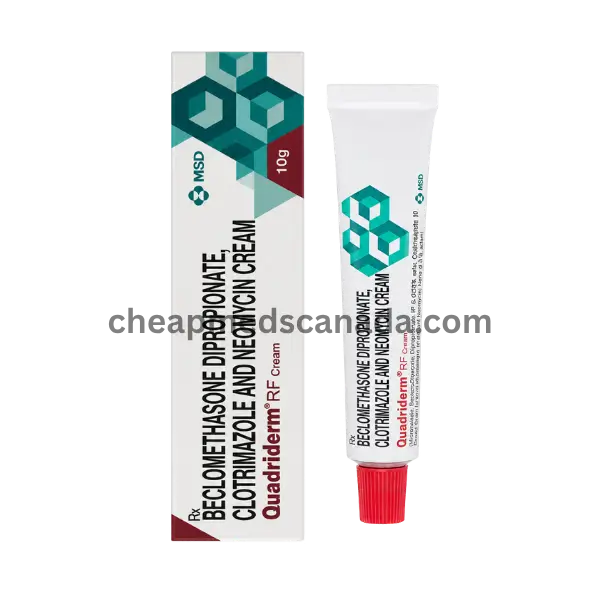
Three active ingredients, one tube: a steroid to calm inflammation, an antifungal to kill yeast and dermatophytes, and an antibiotic to clear bacterial infection. Quadriderm RF (beclomethasone, clotrimazole, and neomycin) was built for skin problems that genuinely have more than one cause at play at the same time. The part worth understanding before you reach for it is why that combination — helpful in the right situation — is also one of the easiest topical products to misuse.
The Logic Behind Combining Three Actives
Skin infections in warm, moist areas of the body — skin folds, the groin, under the breasts — often aren't caused by just one thing. A patch of irritated skin might start as a fungal infection, get scratched, pick up a secondary bacterial infection, and develop real inflammation on top of both. Treating only one piece of that picture (just the fungus, or just the bacteria) can leave the other components untouched. Quadriderm RF exists to handle all three fronts in situations where that mixed picture is actually present.
What Each Ingredient Is Doing
- Beclomethasone dipropionate, the corticosteroid, binds to glucocorticoid receptors in skin cells and switches off the signaling that produces redness, swelling, and itch.
- Clotrimazole, the antifungal, blocks an enzyme fungal cells need to build their membrane. Without it, the membrane becomes unstable and the fungal cell breaks down.
- Neomycin sulfate, the antibiotic, binds to bacterial ribosomes and stops them from producing proteins the bacteria need to survive — a bactericidal mechanism effective against a range of susceptible organisms.
Where This Cream Actually Fits
Quadriderm RF is suited to conditions where inflammation, fungal growth, and bacterial infection are genuinely occurring together, or reasonably suspected together — not to any generic itchy or red patch of skin:
- Intertrigo in skin folds with a mixed fungal-bacterial picture
- Eczema or dermatitis that has developed a secondary infection
- Ringworm (tinea) that's become secondarily infected from scratching
- Nappy rash with a suspected mixed component, used briefly and cautiously
The Part That Gets Skipped on Most Product Pages
Here's the issue that actually matters most with this category of cream, and it's the reason dermatologists have become more cautious about triple-combination products over the years.
Picture a straightforward fungal infection — plain ringworm, nothing else going on — treated with a steroid-containing cream like this one. The steroid dampens the local immune response that would otherwise help keep the fungus contained. Redness and itching fade quickly, which feels like improvement, but underneath, the fungus is now spreading with less resistance. By the time the cream is stopped, the infection is often larger and more established than it was originally — a pattern clinicians sometimes refer to as steroid-modified tinea. It's a direct result of using a steroid-antifungal combination on an infection that was only ever fungal to begin with.
That's the core reason Quadriderm RF isn't designed to be an everyday "my skin is irritated" cream. It's built for a specific, mixed-cause scenario, ideally once there's some clarity on what's actually going on, and only for a limited stretch of time.
Duration of Use
Treatment courses are generally kept to 1-2 weeks. If there's no clear improvement in that window, that's a signal to reassess what's actually causing the skin issue rather than a reason to keep applying the cream. Pushing use past 2-4 weeks meaningfully raises the odds of steroid-related skin changes.
Areas That Need Extra Care
Steroid absorption through skin isn't uniform across the body:
- Face — thinner, more absorptive skin, more visible if side effects like thinning or broken capillaries develop
- Groin and skin folds — higher absorption from moisture and skin contact, and also the most common site for the steroid-modified tinea pattern
- Broad areas of the body — more surface area means more total steroid absorbed
- Broken or open skin — absorption rises sharply once the skin barrier is compromised, unless a doctor has specifically directed otherwise
Possible Side Effects
From the steroid component, with prolonged use: thinning skin, stretch marks (particularly in folds), visible small blood vessels, and changes in skin pigmentation.
From neomycin: contact allergy is a real and fairly common issue with this particular antibiotic — new or worsening irritation at the site can actually be an allergic reaction to the cream itself, not a sign the original infection is getting worse.
From clotrimazole: occasional mild stinging or burning on application, usually short-lived.
Situations Where This Cream Isn't Appropriate
- Viral skin infections (herpes, chickenpox, shingles) — steroids can worsen these by suppressing the immune response needed to control the virus
- A bacterial-only infection without fungal or inflammatory involvement, where a targeted antibiotic alone is the better fit
- Known allergy to any of the three actives, especially neomycin
- Children, without a doctor's specific direction, given greater relative skin absorption
- Near the eyes, or in the ear canal if there's any chance the eardrum is perforated, due to neomycin's ototoxicity risk in that specific setting
How to Apply It
A thin layer, gently worked in, 2-3 times daily or as prescribed. Piling on more product doesn't speed up results — it just increases how much steroid gets absorbed without adding benefit. Wash hands before and after, unless the hands themselves are being treated.
Accessing It in Australia
This is a prescription-only combination product under TGA regulation, made by MSD Pharmaceuticals. Before starting, it's worth having a pharmacist or doctor confirm that a genuinely mixed fungal/bacterial/inflammatory cause is present — using this cream on the wrong kind of infection, particularly a purely fungal one, can leave you worse off than when you started.
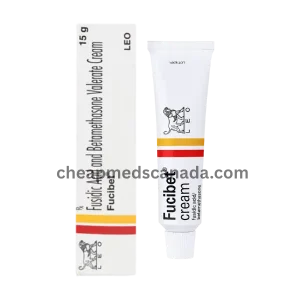
Can I use Fucibet for athlete's foot?
Fucibet is generally not the best choice for uncomplicated athlete's foot. If the infection is purely fungal, a standard antifungal cream is usually more appropriate. Using a steroid-containing cream on an untreated fungal infection may allow it to spread or become more difficult to treat.
Why did my rash improve and then come back worse?
If the rash is caused by a fungal infection, the steroid in Fucibet may temporarily reduce redness and itching while the fungus continues to grow underneath. If your rash returns or spreads after treatment, consult your doctor for further evaluation.
Can I use Fucibet every day for several months?
No. Fucibet is intended for short-term use only unless your doctor advises otherwise. Long-term use can increase the risk of skin thinning, stretch marks, and other side effects, particularly on the face or in skin folds.
Can Fucibet be used for nappy rash?
Only if it has been specifically prescribed by a doctor. Babies absorb topical steroids more easily than adults, and most cases of nappy rash can be treated with gentler, steroid-free products.
Can I apply Fucibet to my face?
Only if your doctor has specifically instructed you to do so. The skin on the face is more sensitive, and prolonged use of steroid-containing creams can increase the risk of side effects.
Quadriderm Cream should be used only as directed by a qualified healthcare professional. Avoid prolonged use unless prescribed, and do not apply to the eyes, mouth, or open wounds. If irritation, worsening symptoms, or signs of an allergic reaction occur, discontinue use and seek medical advice promptly.
Reviews
There are no reviews yet.