
Description
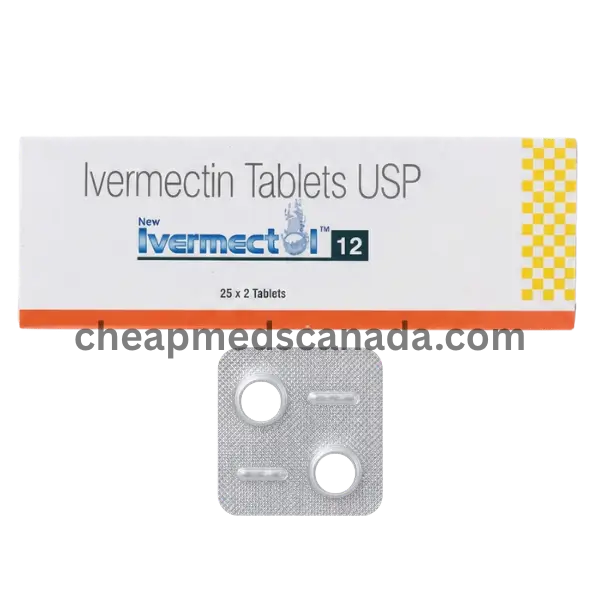
What Is Ivermectol 12 Mg?
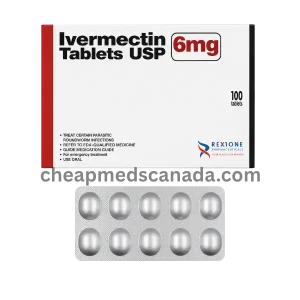
Ivermectol 12 Mg is a prescription tablet containing 12 mg of Ivermectin as its active ingredient. It is manufactured by Sun Pharmaceutical Industries Ltd., one of India's most recognised pharmaceutical companies with a global manufacturing and distribution footprint.
Ivermectin — the drug inside every Ivermectol tablet — belongs to the anthelmintic class of medicines. That's a category specifically designed to combat parasites, particularly worms and mites. It has been in clinical use for over four decades and is included on the WHO Essential Medicines List, a designation reserved for drugs that play a fundamental role in global healthcare.
The 12 Mg strength is the mid-to-upper range of standard Ivermectin dosing. It's particularly suited to adult patients whose weight-based dose calculation falls in the range of approximately 51 to 65 kg, where a single 12 Mg tablet typically delivers the right therapeutic concentration. For patients above 65 kg, two tablets or a combination may be required — always per your doctor's specific prescription.
The Conditions Ivermectol 12 Mg Is Used to Treat
Ivermectol 12 Mg addresses a clearly defined range of parasitic conditions. These aren't obscure diseases — they're among the most common parasitic infections seen across tropical regions, and they affect millions of people worldwide every year.
Strongyloidiasis: Caused by the intestinal roundworm Strongyloides stercoralis, this infection often hides quietly in the gut for years, occasionally flaring with abdominal cramps, diarrhoea, and skin rashes. In people with weakened immune systems, it can progress rapidly into a hyperinfection syndrome — spreading far beyond the intestines and becoming potentially life-threatening. A 2025 prospective study following 28 patients with chronic strongyloidiasis found that over 91% achieved treatment response with an Ivermectin-based regimen at 200 mcg/kg over one to two days.
Onchocerciasis (River Blindness): This is a disease caused by the parasitic worm Onchocerca volvulus, transmitted through bites from blackflies that breed near fast-moving rivers. Left untreated over many years, it causes severe skin damage and progressive vision loss — sometimes leading to permanent blindness. Ivermectin doesn't kill the adult worms, but it eliminates the microfilariae (the larvae) responsible for the tissue destruction, which is why repeat dosing every six to twelve months is standard practice.
Scabies and Crusted (Norwegian) Scabies: Ordinary scabies — caused by the microscopic mite Sarcoptes scabiei — typically responds to topical treatments. But when the infestation is extensive, the patient is immunocompromised, or topical treatment has already failed, oral Ivermectol 12 Mg is the next step. Crusted scabies is a particularly aggressive form where mite numbers reach the thousands — topical treatments alone rarely manage it, and oral Ivermectin is considered essential in that scenario.
Head Lice (Treatment-Resistant Cases): When standard over-the-counter lice treatments haven't worked after two attempts, a doctor may prescribe oral Ivermectin. It's not the first line of treatment, but it's a reliable option when topical approaches have failed.
Lymphatic Filariasis: A mosquito-transmitted infection that damages the lymphatic system and can cause elephantiasis — dramatic, painful swelling of the limbs. Ivermectin is used as part of mass drug administration programmes for filariasis in endemic regions, typically in combination with other antiparasitic agents.
Cutaneous Larva Migrans: An itchy, winding skin rash caused by hookworm larvae from contaminated soil — often picked up by walking barefoot in warm, moist environments. Ivermectin clears it effectively in most cases.
Ivermectol 12 Mg has no role in treating COVID-19, bacterial infections, fungal conditions, or any viral illness. Health Canada and the WHO have confirmed clearly that Ivermectin is not effective against coronavirus, and using it for that purpose is medically unsupported.
How Does It Actually Work?
Ivermectin's mechanism is specific enough to be genuinely impressive. When the drug reaches parasitic organisms in the body, it binds to glutamate-gated chloride channels — a type of ion channel found in the nervous systems of invertebrates like parasites, but not in mammals.
Once bound, it floods these channels open, allowing chloride ions to pour into the parasite's nerve and muscle cells uncontrollably. This causes the cell membranes to become hyperpolarised — meaning the nerve and muscle signals that allow the parasite to move, feed, and reproduce all shut down. Paralysis follows. And within days, the parasite dies.
Here's what makes this particularly relevant to patients: these glutamate-gated chloride channels do not exist in the mammalian central nervous system in the same way. Ivermectin cannot cross the human blood-brain barrier at therapeutic doses, which is precisely why it doesn't produce the same effect in people. It's targeted, specific, and — when dosed correctly — safe.
One nuance worth knowing: Ivermectol 12 Mg works primarily against the larval (immature) stages of worms, not fully developed adult parasites. For conditions like onchocerciasis, where adult worms can survive in the body for years, that means ongoing repeat treatment is necessary to continue managing the larval load.
Dosage — What the Numbers Actually Mean
The single most important thing to understand about Ivermectol 12 Mg dosing is that it is always based on body weight. There is no universal fixed dose. Your doctor calculates the right amount based on your specific kilogram weight and the condition being treated.
Weight-Based Dosage Reference
| Body Weight | Standard Single Dose |
|---|---|
| 15 – 24 kg | 3 mg |
| 25 – 35 kg | 6 mg |
| 36 – 50 kg | 9 mg |
| 51 – 65 kg | 12 mg (one Ivermectol 12 Mg tablet) |
| 66 – 79 kg | 15 mg |
| 80 kg and above | 0.2 mg/kg calculated individually |
Dosing Frequency by Condition
| Condition | Frequency |
|---|---|
| Strongyloidiasis | Single dose; stool test to confirm clearance |
| Onchocerciasis | Every 6 to 12 months (indefinite in endemic areas) |
| Scabies (standard) | Two doses — Day 1 and Day 8 |
| Crusted Scabies | Multiple doses over 2 weeks — doctor-directed |
| Filariasis | Once annually, often combined with other drugs |
Taking the Tablet the Right Way
- Empty stomach only — take it at least one hour before eating, or two hours after your last meal. A fatty meal in particular can significantly alter Ivermectin absorption, which throws the therapeutic dose off
- Swallow whole with water — a full glass, not a sip
- No crushing, splitting, or chewing — this affects the rate of absorption in ways that are difficult to control
- Consistent timing matters for multi-dose schedules — pick a time and stick to it
- Don't stop treatment just because symptoms improve — completing the full prescribed course is the only way to ensure the infection is fully cleared
- Follow-up appointments — for strongyloidiasis, a repeat stool examination is standard to confirm the parasite has been eliminated
Side Effects — What to Expect and What to Watch For
Ivermectol 12 Mg has a well-established tolerability profile. Side effects were reported in fewer than 4% of patients in clinical trials at standard doses — which means the majority of people taking this medication have no notable reaction at all. When side effects do occur, they tend to be mild and self-limiting.
Common, Mild Reactions (Usually Settle Within a Few Days)
- Nausea or mild stomach discomfort
- Dizziness — particularly noticeable when standing up quickly
- Loose stools or diarrhoea
- Reduced appetite or mild bloating
- Fatigue or generalised weakness
- Headache
- Drowsiness — this is worth noting if you plan to drive
The Mazzotti Reaction — A Specific Onchocerciasis Response
If you are being treated for river blindness specifically, there's a reaction worth knowing about. The Mazzotti reaction occurs in roughly 10% of onchocerciasis patients and is an inflammatory immune response triggered by the mass death of microfilariae in the body. Symptoms during the first four days can include:
- Fever and chills
- Eye redness, itching, or swelling
- Swollen and tender lymph nodes
- Skin rash or increased itching
These symptoms are not an allergic reaction to the medication itself — they're the immune system responding to dying parasites. They typically resolve within a few days. However, if they worsen or persist beyond four days, your doctor needs to know.
Serious Reactions — Seek Immediate Medical Attention
- Sudden swelling of the face, lips, tongue, or throat
- Severe hives or a rapidly spreading skin rash
- Difficulty breathing or a tight feeling in the chest
- Extreme confusion, inability to stay awake, or loss of consciousness
- Chest pain or irregular heartbeat
- Unusual bruising or any signs of abnormal bleeding
If any of these occur, stop taking the medication and call 911 or go directly to the nearest emergency department. Don't wait to see if it gets better on its own.
Who Needs Extra Caution — Or Should Avoid Ivermectol 12 Mg?
Pregnant women: Ivermectin is not recommended during pregnancy unless the treating physician has clearly determined that the benefit outweighs any potential risk. There is limited human data available, and caution is the appropriate position.
Breastfeeding mothers: Ivermectin passes into breast milk in low concentrations. It is not automatically forbidden, but the timing of the dose relative to feeding should be discussed with your doctor to minimise infant exposure.
Patients with liver disease: Ivermectin is metabolised through the liver. Any reduction in liver function affects how the drug is processed and can lead to higher-than-expected drug levels in the bloodstream. This must be disclosed to your prescribing physician.
Immunocompromised patients: People living with HIV, those on immunosuppressive therapy, or organ transplant recipients may need more frequent treatment cycles and closer clinical monitoring. A single course may not achieve lasting clearance.
Patients who have travelled to or lived in sub-Saharan Africa: If you have spent time in parts of West or Central Africa where Loa loa (loiasis) is endemic, there is a risk of serious — and occasionally fatal — neurological reactions when taking Ivermectin. This must be screened for before treatment begins. This is not a hypothetical concern; it is a real, documented risk.
Children under 15 kg: Ivermectol 12 Mg is not suitable for very small children. Dosing safety in this group has not been adequately established.
Known allergy to Ivermectin: If you've previously had an allergic reaction to Ivermectin in any form, do not take this medication. Speak to your doctor about alternative antiparasitic options.
Avoid alcohol and cannabis throughout the course of treatment. Both can increase the concentration of Ivermectin in the bloodstream and intensify side effects — particularly dizziness, drowsiness, and CNS-related reactions.
Drug Interactions You Need to Disclose
Before your doctor writes the prescription, give them a complete and honest list of everything you're currently taking. Known and significant interactions include:
- Warfarin and other anticoagulants — Ivermectin has been documented to increase INR (a measure of blood clotting time), raising the risk of bleeding. Post-marketing reports have confirmed this interaction
- Erythromycin — This antibiotic interferes with the liver enzymes that process Ivermectin, potentially raising blood concentration
- Amprenavir and other HIV antiretrovirals — These can alter Ivermectin metabolism and blood levels
- Oxcarbazepine — An anticonvulsant that can interact with Ivermectin's central nervous system activity
- Other antiparasitic drugs — Combining two antiparasitic agents at the same time can push Ivermectin levels into a toxic range
- St. John's Wort and other herbal supplements — Can affect liver enzyme activity and change how Ivermectin is broken down
Even if you're only taking over-the-counter vitamins or herbal teas, let your pharmacist know. Some combinations are fine; others are not.
Missed Dose or Overdose — The Practical Guidance
If you miss a scheduled dose: Ivermectol 12 Mg is often prescribed as a single dose, so missed doses aren't always applicable. If you're on a multi-dose schedule and miss one, take it as soon as you remember — provided your next dose is not imminent. Never double up to compensate.
If you suspect an overdose: This is an emergency. Symptoms of Ivermectin overdose include violent vomiting, tremors, severe dizziness, difficulty breathing, loss of coordination, and in serious cases, seizures or loss of consciousness.
How to Store Ivermectol 12 Mg
- Store at room temperature — below 30°C
- Away from direct sunlight and sources of heat or humidity
- Bathrooms and kitchens are not ideal storage locations due to moisture
- Keep tablets in the original blister packaging until you are ready to take them
- Store well out of reach of children and pets at all times
- Check the expiry date before each use — expired tablets should be returned to a pharmacy for safe disposal, not discarded in household waste
Ivermectol 12 Mg is used to treat certain parasitic infections such as strongyloidiasis, onchocerciasis, and scabies when prescribed by a healthcare professional.
What is Ivermectol 12 Mg used for?
Take the tablet exactly as prescribed, usually on an empty stomach with a full glass of water.
How should I take Ivermectol 12 Mg?
The medication begins working within 24 to 48 hours, but full symptom improvement may take several days or weeks depending on the infection.
How quickly does Ivermectol 12 Mg work?
Yes. Ivermectol 12 Mg is a prescription-only medication in Canada.
Do I need a prescription for Ivermectol 12 Mg in Canada?
Some infections require a single dose, while others may need repeat treatment. Always follow your doctor's instructions.
Can I take Ivermectol 12 Mg more than once?
The information on this page is provided for educational purposes only and is not intended to replace professional medical advice, diagnosis, or treatment. Ivermectol 12 Mg should only be used under the supervision of a qualified healthcare professional.
Always follow your prescribed dosage and discuss any medical conditions, allergies, or medications with your healthcare provider before starting treatment. Do not use this medication for conditions other than those prescribed by your doctor.

Reviews
There are no reviews yet.