
Description
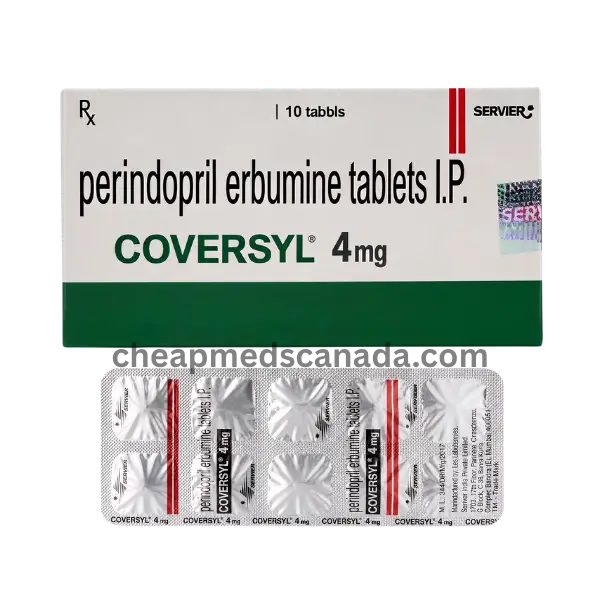
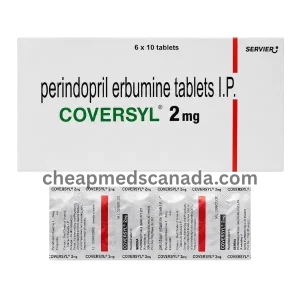
Coversyl 4mg Tablet Canada — Buy Perindopril Online With Discreet Delivery
The One Tablet Most Canadian Heart Patients Take Every Morning
Talk to anyone who's been managing blood pressure for more than a year, and they'll tell you the same thing — the hardest part isn't starting treatment. It's keeping it going without interruption. Refills get delayed. Pharmacies run out of stock. Appointments take weeks to book. And all the while, the medication you depend on every single day is sitting somewhere in a queue.
Coversyl 4Mg is one of the most trusted blood pressure tablets prescribed across Canada. If your doctor has put you on it, there's a good reason — it works consistently, it plays well with other medications, and it protects the heart and kidneys over the long haul in ways that go beyond simply lowering a number on a blood pressure reading.
Ordering it online means your supply arrives at your door, in plain packaging, without the runaround.
What Exactly Is Coversyl 4mg?
Perindopril — the active ingredient in Coversyl 4mg— belongs to a group of heart medications called ACE inhibitors. The name comes from the enzyme they block: Angiotensin Converting Enzyme. That enzyme sits at the centre of a hormonal chain your body uses to regulate blood pressure, and when it's overactive, blood pressure stays elevated even when there's no physical reason for it to be.
Blocking that enzyme loosens things up. Blood vessels relax. The heart pumps against less resistance. Fluid retention drops. Blood pressure comes down — not dramatically, not like a switch being flipped, but steadily and predictably over days and weeks.
What makes perindopril a bit different from some other ACE inhibitors is that it doesn't become fully active until the liver processes it. Your body absorbs it in a dormant form and converts it into the compound that actually does the work. That conversion takes a little time, but the upside is a longer, smoother window of action — one that holds your blood pressure stable across a full 24 hours from a single morning dose.
The 4 mg tablet is where most adults start. Some stay there. Others move up to 8 mg if the lower dose doesn't bring readings where they need to be.
What Coversyl 4mg Is Prescribed For
High Blood Pressure
Most people have no idea their blood pressure is elevated until a reading catches them off guard at a routine appointment. Hypertension doesn't hurt. It doesn't send obvious warning signs. It just sits there, quietly damaging blood vessels, straining the heart, and increasing the odds of a stroke or heart attack with every passing year.
Coversyl brings those numbers down and keeps them there. For a significant portion of Canadian patients with hypertension, it's the first medication prescribed — and for many, it's the one they stay on for life because it does the job without making them feel terrible in the process.
Coronary Artery Disease
When fatty plaques have already narrowed the coronary arteries, the heart is working in a compromised environment. It needs less strain, not more. Coversyl helps by reducing the pressure the heart pumps against and — crucially — by protecting the inner lining of blood vessels from further damage. Studies tracking patients with stable coronary disease over years have shown meaningful reductions in heart attack and cardiac death rates among those taking perindopril consistently.
Heart Failure
When the heart muscle weakens and can no longer pump blood efficiently, fluid starts backing up. Ankles swell. Breathing becomes harder at night. Simple activities become exhausting. ACE inhibitors like Coversyl 4mg are among the few medication classes that have been shown to actually slow the progression of heart failure rather than just managing symptoms. They reduce the workload on a struggling heart and have survival benefits in this patient population that are backed by decades of clinical data.
Kidney Protection in Diabetic Patients
High blood sugar damages the small blood vessels throughout the body, and the kidneys — which are essentially made of tiny blood vessels — take some of the worst of it. Coversyl 4mg is frequently prescribed to diabetic patients not just for blood pressure control, but because it actively protects kidney function by reducing pressure on the vessels that filter blood. Many patients in this group take it even when their blood pressure is only mildly elevated, because the kidney-protective benefit outweighs the small risk of blood pressure dropping a little too low.
Post-Heart Attack Recovery
Following a heart attack, the priority is protecting what's left. The damaged area of the heart can stretch and change shape in the weeks after a cardiac event — a process called remodelling — which makes the remaining muscle less efficient over time. Perindopril slows this remodelling process and reduces the chances of a second event during the recovery period.
How This Medication Actually Lowers Blood Pressure
Your kidneys constantly monitor blood pressure and respond to drops by releasing an enzyme that kicks off a chain reaction. That chain ends with a hormone called Angiotensin II, which tells your blood vessels to squeeze tighter and tells your kidneys to hold onto more salt and water — both of which push blood pressure back up.
In people with hypertension, this system is stuck on. It keeps reacting as though blood pressure is low, even when it isn't.
Perindopril interrupts the chain at the enzyme step. With less Angiotensin II being made, vessels stop getting that squeeze signal, the kidneys let go of more fluid, and blood pressure drops. The effect isn't aggressive — it's a gradual unwinding of a system that's been overworking — which is why it takes a few weeks to see the full benefit and why stopping the medication suddenly brings things right back up.
Dosage — How And When To Take Coversyl 4mg
One tablet, once a day. That's the standard approach for most adults starting on Coversyl 4mg for hypertension.
Timing is flexible — morning or evening both work — but picking one time and sticking to it helps build the habit and keeps blood levels consistent. Many doctors recommend morning dosing so that the medication's peak effect covers the early part of the day, when blood pressure naturally tends to run higher and when the risk of cardiovascular events is statistically elevated.
Coversyl 4mg can be taken with or without food. Unlike some medications, a meal doesn't meaningfully alter how well it's absorbed.
After roughly four weeks at 4 mg, your doctor will reassess your blood pressure readings. If they're on target, you stay at 4 mg. If there's still room to improve, the dose may move up to 8 mg. Don't adjust the dose yourself based on home readings — the decision involves more than just the number on the monitor.
For patients with reduced kidney function or those over 70, starting doses are often lower and increases are made more cautiously. Blood tests checking kidney function and potassium are done before starting and periodically throughout treatment.
If you miss a dose, take it when you remember — unless the next dose is only a few hours away, in which case skip it and carry on as normal. Two doses close together cause more harm than one missed dose.
Side Effects Worth Knowing About
The Cough
This is the one people mention most. A dry, irritating cough that doesn't produce anything and tends to be worse at night affects somewhere between one in ten and one in five patients on ACE inhibitors. It's not dangerous, it's not a sign the medication is harming you, and it goes away completely when the drug is stopped. But it doesn't improve over time, and no dose adjustment fixes it. If it's making your nights miserable, tell your doctor — switching to a different class of blood pressure medication called an ARB will resolve it while keeping blood pressure just as well controlled.
Dizziness When Standing
In the first few weeks, some patients feel lightheaded when getting up quickly from a chair or bed. This is blood pressure adjusting downward faster than the brain can compensate — it passes in seconds but can be unsettling. Rising slowly, sitting on the edge of the bed for a moment before standing, and avoiding very hot showers right after taking the tablet all help reduce this.
Elevated Potassium
Because Coversyl 4mg changes how the kidneys handle potassium, levels in the blood can creep up — sometimes to a point that affects heart rhythm if left unchecked. Patients who already take potassium supplements, use salt substitutes containing potassium chloride, or take other medications that raise potassium need blood monitoring. This isn't something you'd feel, which is exactly why the blood tests matter.
Angioedema — Rare But Serious
A small number of patients develop sudden swelling of the lips, tongue, throat, or face. This can happen weeks or months into treatment without any warning. If it involves the throat or causes any difficulty breathing or swallowing, this is a medical emergency. Stop the medication and get to an emergency department immediately. Anyone who has experienced this reaction cannot use any ACE inhibitor again.
Precautions That Apply Specifically To Canadian Patients
Pregnancy — Absolute Contraindication Perindopril causes serious foetal harm. It cannot be used during any trimester of pregnancy. Women of childbearing age taking Coversyl 4mg should be using reliable contraception, and any unexpected pregnancy must be reported to a doctor immediately so the medication can be switched.
Kidney Monitoring Health Canada recommendations align with international guidelines — kidney function tests and electrolyte panels should be run before starting treatment and repeated at intervals based on your age, existing kidney health, and other medications you're taking.
NSAIDs Reduce Its Effectiveness Regular use of ibuprofen, naproxen, or other anti-inflammatory painkillers blunts the blood pressure-lowering effect of Coversyl 4mg and increases the risk of kidney complications. Paracetamol (acetaminophen) is a safer option for pain management in patients taking ACE inhibitors.
Dehydration Matters More Than You Think Heat, illness, and heavy exercise that causes significant fluid loss can drop blood pressure further than intended when combined with Coversyl 4mg. Stay well hydrated, and if you're losing fluids through vomiting or diarrhoea, let your doctor know — the dose may need temporary adjustment.
Drug Interactions
- Diuretics — A first-dose blood pressure drop can be significant if you're already taking a diuretic, particularly if you've been on a high dose. Your doctor may temporarily reduce the diuretic before introducing Coversyl 4mg.
- Potassium-Sparing Diuretics — Spironolactone, amiloride, and similar drugs combined with Coversyl create a meaningful hyperkalemia risk. This combination requires regular blood monitoring.
- Lithium — ACE inhibitors can push lithium levels into a toxic range. If you take lithium for any reason, your prescribing doctor needs to know you're starting Coversyl 4mg.
- Diabetes Medications — Perindopril can enhance the effect of insulin and some oral diabetes drugs, occasionally pushing blood sugar lower than intended. Blood glucose monitoring may need adjusting when Coversyl is introduced or the dose is changed.
- Other Blood Pressure Medications — Coversyl 4mg combines safely with calcium channel blockers and thiazide diuretics — common combinations in Canadian hypertension management. It should not be combined with another ACE inhibitor or with aliskiren.
Storage
Room temperature storage — between 15°C and 25°C. Away from sunlight, humidity, and heat. Not in the bathroom. Leave tablets sealed in their original blister strips until the day you take them. Out of reach of children at all times.
How quickly will I notice my blood pressure coming down?
Some reduction in blood pressure may be noticeable within the first one to two weeks of treatment. However, the full effect of the 4 mg dose generally takes around four weeks to develop. Your doctor will often review your blood pressure readings after about a month before deciding whether any dose adjustment is needed.
My doctor mentioned switching me to Coversyl 4mg from another ACE inhibitor — is that straightforward?
In most cases, yes. Switching between ACE inhibitors is a common practice and is usually uncomplicated. Your doctor will determine the appropriate equivalent dose and may monitor your blood pressure and kidney function after the change to ensure the medication is working as expected.
The cough is really bothering me — is there anything I can take for it?
ACE inhibitor-related cough does not usually respond well to standard cough suppressants because it is caused by a different mechanism. If the cough becomes troublesome, speak with your doctor. They may recommend switching to another class of medication, such as an angiotensin receptor blocker (ARB), which is less likely to cause this side effect.
Can I cut the tablet in half if I need a lower dose?
Consult your pharmacist or doctor before splitting the tablet. Some film-coated tablets are intended to be taken whole, and dividing them may affect how the medication performs. If a lower dose is required, your doctor may prescribe a more appropriate tablet strength.
Is long-term use of Coversyl safe for the kidneys?
For many patients, long-term use is considered safe and may even help protect kidney function, particularly in people with diabetes or certain kidney conditions. However, regular monitoring is important because some individuals with underlying kidney problems may require closer supervision while taking ACE inhibitors.
What happens if I stop taking it without telling my doctor?
Blood pressure may gradually return to previous levels within days or weeks after stopping treatment. For people with heart failure, coronary artery disease, or other cardiovascular conditions, discontinuing the medication without medical advice may increase health risks. Always discuss any changes to your treatment plan with your doctor before stopping the medication.
The information provided is for educational purposes only and should not be considered medical advice. Coversyl 4mg is a prescription medication that must be used under the supervision of a qualified healthcare professional. Always consult your doctor before starting, stopping, or changing any treatment. Follow the prescribed dosage instructions and seek medical attention if you experience any adverse effects or unusual symptoms.

Reviews
There are no reviews yet.