
Description
Myrbetriq 25 mg (Mirabegron): Uses, Dosage, Side Effects, and Generic Options
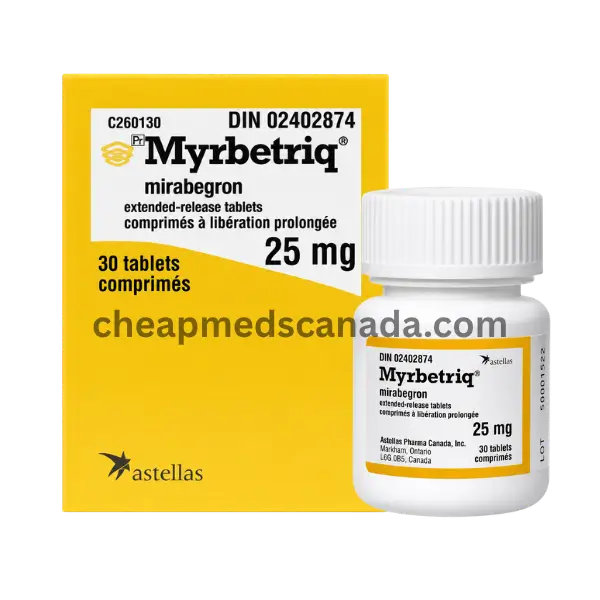
Myrbetriq 25 mg is one of the few overactive bladder (OAB) medications that doesn't work through the older antimuscarinic pathway most patients have already tried and struggled with. If you've been switched to it — or your doctor is suggesting it as a next step — here's what actually matters: what it treats, how the 25mg and 50mg doses differ, the side effect profile including specific risks in older adults, and where generic mirabegron fits in.
What Is Myrbetriq 25 mg Used For
Myrbetriq 25 mg (mirabegron) is prescribed for overactive bladder syndrome, covering the core symptom cluster of urinary urgency, frequency, and urge incontinence. It's also approved for neurogenic detrusor overactivity, a bladder condition often linked to spinal cord injury or neurological disease, in appropriate pediatric and adult cases under specialist guidance. Unlike anticholinergic OAB drugs (oxybutynin, tolterodine, solifenacin), mirabegron belongs to a separate drug class entirely — a beta-3 adrenergic receptor agonist — which is the reason it's often tried specifically in patients who couldn't tolerate the dry mouth, constipation, or cognitive side effects associated with anticholinergics.
How Myrbetriq 25 mg Works
The bladder's detrusor muscle contracts to expel urine and relaxes to allow it to fill. Mirabegron activates beta-3 adrenergic receptors in the detrusor, which promotes relaxation of that muscle during the storage phase. The practical effect is a bladder that can hold more urine before urgency signals kick in, and fewer accidental leaks between bathroom trips. Because this mechanism doesn't touch the same receptors as anticholinergics, the trade-off is a distinctly different side effect pattern — notably far less dry mouth, but a different risk profile involving blood pressure.
Myrbetriq 25 mg Dosage: 25mg vs 50mg
| Status | 25mg | 50mg |
|---|---|---|
| Typical use | Starting dose, especially for those with kidney/liver impairment | Standard dose if 25mg is tolerated but not fully effective |
| When increased | After roughly 4-8 weeks if response is inadequate | N/A — this is the ceiling dose |
| Renal/hepatic caution | Preferred starting point for reduced kidney or liver function | Used cautiously, may not be appropriate for significant impairment |
| Administration | Once daily, with or without food, swallowed whole | Once daily, same administration |
Myrbetriq 25 mg is an extended-release tablet — it must be swallowed whole. Crushing, splitting, or chewing it disrupts the release mechanism and can cause too much of the drug to be absorbed at once.
Myrbetriq 25 mg Side Effects
Common side effects:
- Nasopharyngitis (cold-like symptoms), sore throat, or nasal congestion
- Headache
- Increased blood pressure
- Urinary tract infection
Less common side effects:
- Dizziness, fatigue
- Dry mouth (present, but notably less frequent than with anticholinergic OAB drugs)
- Nausea, diarrhea, constipation, abdominal pain
- Back pain, joint pain
- Blurred vision
- Tachycardia or heart palpitations
Serious effects requiring immediate medical attention:
- Angioedema — swelling of the face, lips, tongue, or throat, with difficulty breathing or swallowing
- Severe hypertension
- Atrial fibrillation or other significant irregular heart rhythm
- Urinary retention — inability to empty the bladder, or a very weak stream, which is a particular concern in men with an enlarged prostate
Myrbetriq 25 mg Side Effects in Elderly Patients
Overactive bladder disproportionately affects older adults, so this deserves its own section rather than a footnote. A few things change with age:
- Blood pressure monitoring matters more: Hypertension risk with mirabegron is dose-dependent, and elderly patients are more likely to already be managing blood pressure with other medications. Baseline and periodic BP checks are more important in this group, not less.
- Kidney and liver function decline with age: and since mirabegron clearance depends on both, older adults are more likely to need the 25mg dose as a long-term maintenance dose rather than a temporary starting point.
- Polypharmacy risk is higher: Elderly patients are statistically more likely to be on multiple medications simultaneously, which raises the odds of interaction with drugs like digoxin, warfarin, or certain beta-blockers (metoprolol) — all of which mirabegron can interact with by altering blood concentration levels.
- Cognitive side effects are minimal compared to anticholinergics: which is precisely why mirabegron is often preferred in elderly patients over drugs like oxybutynin — anticholinergic burden has been associated with increased dementia risk in long-term use, and mirabegron largely sidesteps that concern.
- Fall risk consideration: dizziness, while uncommon, carries more consequence in older patients, so any new dizziness after starting treatment is worth reporting rather than waiting out.
None of this means mirabegron is unsafe for older adults — in many respects it's a better-tolerated option in this age group specifically. It just means blood pressure and kidney function need more consistent follow-up than they might for a younger patient.
Warnings and Drug Interactions
Myrbetriq 25 mg should not be used in patients with severe, uncontrolled hypertension (systolic 180 mmHg or higher, or diastolic 110 mmHg or higher), since it can push blood pressure further into dangerous territory. Regular blood pressure monitoring is recommended for the duration of treatment.
Notable drug interactions include desipramine, digoxin, flecainide, metoprolol, propafenone, thioridazine, and warfarin — mirabegron can raise the blood concentration of several of these, so dose adjustments or closer monitoring may be needed if you're on any of them. Always give your pharmacist a full medication list before starting, including over-the-counter drugs and supplements.
Generic Myrbetriq (Mirabegron)
Generic mirabegron contains the identical active ingredient as brand-name Myrbetriq 25 mg and is held to the same bioequivalence standards by regulatory authorities before approval. It's manufactured by multiple generic pharmaceutical companies and sold globally under a few different names depending on region — Betmiga in parts of Europe and the UK, Betanis in Japan, with Myrbetriq being the primary brand name in North America. The generic version is typically available at a significantly lower price than brand Myrbetriq, without any difference in the active compound or expected clinical effect.
Lifestyle Factors Worth Knowing
Myrbetriq 25 mg works better alongside a few behavioral adjustments rather than as a standalone fix:
- Reduce caffeine intake — it's a known bladder irritant that can work directly against what the medication is trying to correct
- Limit alcohol, which has a mild diuretic effect and can undercut bladder control
- Take the tablet at a consistent time each day to maintain steady drug levels
- Pelvic floor exercises and timed voiding schedules, used alongside medication, tend to produce better symptom control than medication alone
Getting Myrbetriq 25 mg in Canada
Mirabegron is a prescription-only medication under Health Canada regulation. Coverage through provincial drug plans varies — some plans require documented failure of a first-line anticholinergic before approving mirabegron, since it's generally priced higher than older OAB drugs. A licensed Canadian pharmacy can clarify current formulary status in your province and walk you through both brand and generic options before you order.
How long does Myrbetriq 25 mg take to work?
Some people notice an improvement in overactive bladder symptoms within the first 1 to 2 weeks. However, it usually takes 4 to 8 weeks of consistent daily use to experience the full benefit of Myrbetriq 25 mg.
Can I take Myrbetriq 25 mg long-term?
Yes. Myrbetriq 25 mg is approved for long-term treatment of overactive bladder (OAB). Your doctor may periodically monitor your blood pressure and kidney function to ensure the medication remains safe and effective.
Can I take Myrbetriq 25 mg if I have high blood pressure?
In many cases, yes, if your blood pressure is well controlled. However, Myrbetriq 25 mg is not recommended for people with severe, uncontrolled high blood pressure. Your doctor will decide if it is appropriate based on your overall health.
What should I do if I miss a dose of Myrbetriq 25 mg?
Take the missed dose as soon as you remember unless it is almost time for your next scheduled dose. If your next dose is due soon, skip the missed dose and continue with your regular schedule. Do not take two doses at the same time.
Can I take Myrbetriq 25 mg with or without food?
Yes. Myrbetriq 25 mg can be taken with or without food. Swallow the tablet whole with water and try to take it at the same time each day for the best results.
Myrbetriq 25 mg should be used only under the supervision of a qualified healthcare professional. It is intended for the treatment of overactive bladder and may not be suitable for everyone. Follow the prescribed dosage and seek medical advice if you experience increased blood pressure, difficulty urinating, allergic reactions, or other serious side effects.

Reviews
There are no reviews yet.