
Description
What Is Sulfatrim DS
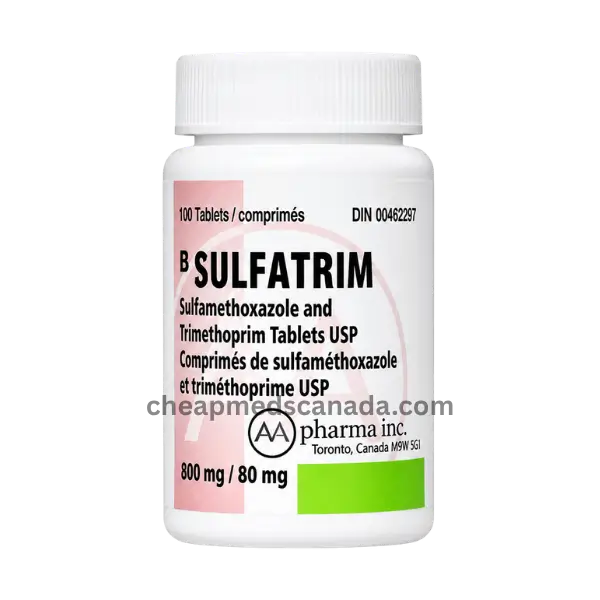
Sulfatrim DS is a double-strength combination antibiotic containing sulfamethoxazole 800 mg and trimethoprim 160 mg. It belongs to a category sometimes called co-trimoxazole, and it's also sold under the brand names Bactrim DS and Septra DS. The two ingredients work together sulfamethoxazole and trimethoprim each block a different step in the pathway bacteria use to produce folic acid, and combining them blocks that pathway more completely than either drug could alone, which is part of why the combination remains effective against a broad range of bacteria even decades after it was introduced.
Because human cells obtain folate from diet rather than synthesizing it internally, this mechanism is selectively toxic to bacteria without meaningfully disrupting normal human cell function at standard doses — the exception being in people who are already folate-deficient, where the added metabolic pressure from trimethoprim can matter more.
This page covers the DS (double strength) tablet, containing 800 mg sulfamethoxazole and 160 mg trimethoprim — not to be confused with the single-strength 400 mg/80 mg tablet, which requires twice as many tablets to reach the same total dose.
What It Treats, By Infection
Rather than a general list, here's how dosing and duration typically break down by the infection being treated. Always follow your prescriber's specific instructions — these are general treatment patterns, not personalized dosing.
Urinary tract infections The standard adult course is one DS tablet every 12 hours for 10 to 14 days. Sulfatrim remains a first-line option for uncomplicated UTIs in areas where local resistance patterns support its use, though your prescriber may check regional resistance data before prescribing, since E. coli resistance to this combination has been rising in some areas over the past two decades.
Acute exacerbations of chronic bronchitis One DS tablet every 12 hours for 14 days is the typical adult regimen, used when a bacterial component is confirmed or strongly suspected rather than for viral flare-ups.
Shigellosis (bacterial dysentery) The same twice-daily DS dosing is used, but for a shorter 5-day course rather than the 10 to 14 days used for UTIs.
Pneumocystis pneumonia (PCP) This is a higher-intensity use case, typically reserved for immunocompromised patients, dosed by body weight (75–100 mg/kg sulfamethoxazole per day) divided into four doses over 14 to 21 days. This regimen is significantly more aggressive than standard outpatient dosing and is managed closely by a treating physician.
PCP prophylaxis For patients at ongoing risk of Pneumocystis pneumonia — for example, during certain immunosuppressive therapies — a single DS tablet once daily is a common preventive dose, taken for as long as the underlying risk persists.
Traveler's diarrhea Historically a common use, though resistance among common causative bacteria has reduced how often Sulfatrim is chosen for this indication today compared with decades past. Fluoroquinolones or azithromycin are now more commonly favoured in regions with high resistance rates, so this use has become more situational than routine.
Otitis media (ear infections) Sulfatrim has historically been used as an alternative for patients with penicillin allergies, though rising resistance among common ear infection pathogens means prescribers increasingly reserve it for cases where first-line options aren't suitable.
Who Shouldn't Take Sulfatrim
- Anyone with a known allergy to sulfonamide drugs ("sulfa allergy") or to trimethoprim
- Infants under 2 months of age
- Anyone with significant folate deficiency, megaloblastic anemia, or a history of drug-induced immune thrombocytopenia with either component
- Patients with severe kidney impairment where dose adjustment is not feasible, or severe liver disease
- Pregnant patients, particularly near term, since sulfonamides carry a risk to the newborn and trimethoprim interferes with folate metabolism during early pregnancy
A true sulfa allergy is worth taking seriously here — this is one of the more common drug allergy categories, and reactions can range from a mild rash to severe, potentially life-threatening skin reactions.
Side Effects, From Common to Serious
Common:
- Nausea, vomiting, loss of appetite
- Diarrhea
- Headache
- Mild rash
Less common:
- Photosensitivity (increased sunburn risk)
- Vaginal yeast infection
- Dizziness
Rare but serious — stop the medication and seek care immediately:
- Any new rash, blistering, or skin peeling, which can be an early sign of Stevens-Johnson syndrome or toxic epidermal necrolysis — rare but potentially fatal skin reactions specifically associated with this drug class
- Signs of a blood disorder — unusual bruising or bleeding, persistent sore throat, fever, or unexplained fatigue, which can indicate a drop in blood cell counts
- Yellowing of the skin or eyes, or severe abdominal pain (possible liver or pancreas involvement)
- Signs of anaphylaxis — facial or throat swelling, difficulty breathing, hives
- Sudden fever, confusion, and low blood pressure occurring within hours of a repeat dose in someone previously exposed to the drug, which can indicate a rare but serious hypersensitivity-related shock reaction
Drug Interactions to Flag
Sulfatrim has several interactions worth a pharmacist review before starting:
- Warfarin — Sulfatrim can significantly increase warfarin's blood-thinning effect, raising bleeding risk; INR monitoring is typically increased when the two are combined
- Methotrexate — Both drugs affect folate metabolism, and combining them raises the risk of methotrexate toxicity
- ACE inhibitors or potassium-sparing diuretics — Combined use can raise potassium to dangerous levels, particularly in older adults or those with reduced kidney function
- Phenytoin — Sulfatrim can raise phenytoin levels, increasing the risk of toxicity
- Oral hypoglycemic agents — Sulfatrim can enhance the blood-sugar-lowering effect of some diabetes medications
Sulfatrim vs. Bactrim vs. Septra
Sulfatrim, Bactrim, and Septra are all brand names for the identical combination of sulfamethoxazole and trimethoprim at the same 800 mg/160 mg strength in their DS forms. There is no difference in the active ingredients, mechanism, or expected clinical effect between them — the difference is manufacturer and, in some markets, inactive tablet ingredients. Generic sulfamethoxazole/trimethoprim DS is held to the same bioequivalence standard and is a reasonable substitute for any of the branded versions.
Should I take Sulfatrim with food?
Sulfatrim can be taken with or without food. However, taking it with a meal and a full glass of water may help reduce stomach upset and support adequate hydration during treatment.
How long does Sulfatrim take to work?
Most bacterial infections begin to improve within 2 to 3 days of starting Sulfatrim. If your symptoms do not improve or become worse, contact your healthcare provider rather than waiting until you finish the full course.
Can I take Sulfatrim if I'm allergic to penicillin?
Yes. A penicillin allergy does not automatically mean you are allergic to Sulfatrim, as penicillins and sulfonamide antibiotics belong to different drug classes. Always tell your healthcare provider about any medication allergies before starting treatment.
Does Sulfatrim affect birth control pills?
Current evidence suggests Sulfatrim is unlikely to reduce the effectiveness of hormonal contraceptives. However, discuss your medications with your healthcare provider if you have concerns about contraceptive protection or other risk factors.
Can Sulfatrim make my skin more sensitive to the sun?
Yes. Sulfatrim can increase your sensitivity to sunlight, making sunburn more likely. Use sunscreen, wear protective clothing, and avoid prolonged sun exposure while taking this medication.
Is one Sulfatrim DS tablet the same as two single-strength tablets?
Yes. One Sulfatrim DS tablet (800 mg sulfamethoxazole/160 mg trimethoprim) contains the same total amount of medication as two single-strength tablets (400 mg/80 mg each). However, only use the strength and formulation prescribed by your healthcare provider.
Sulfatrim DS is a prescription antibiotic and should be used only as directed by a qualified healthcare professional. Complete the full course of treatment as prescribed. This information is provided for educational purposes only and is not a substitute for professional medical advice, diagnosis, or treatment. Always consult your healthcare provider before using this medication.


Reviews
There are no reviews yet.