
Description
What Is Estradot
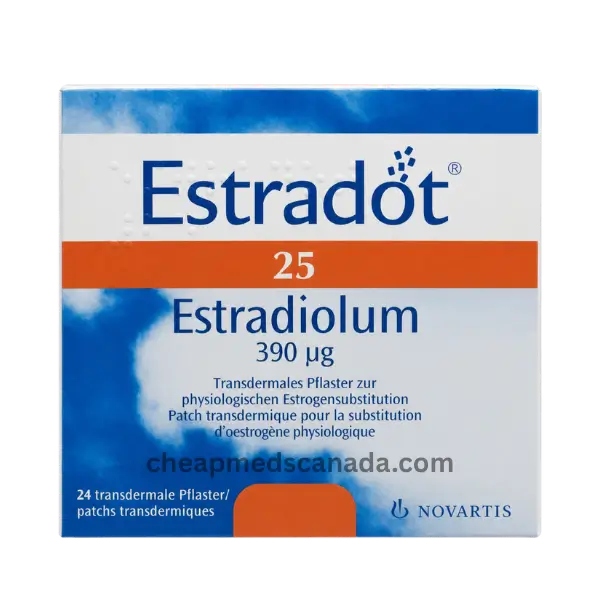
Estradot is a transdermal patch containing estradiol, the primary form of estrogen the body produces before menopause. It's prescribed to replace estrogen that declines during perimenopause and menopause, easing the symptoms that come with that drop and, over the longer term, helping protect bone density. Unlike an oral estrogen tablet, the patch delivers estradiol directly through the skin into the bloodstream, bypassing the liver's first-pass metabolism — a difference that matters for how the dose is calculated and for who may be a better candidate for patch therapy over pills.
Because the patch delivers a continuous, steady release rather than the peaks and troughs typical of a once-daily pill, many women find symptom control feels more stable throughout the day and night with a transdermal approach. The trade-off is a visible patch that needs to be managed and occasionally troubleshot, rather than a tablet that's out of sight once swallowed.
Step 1: Is Estradot a Fit for You?
Estradot is generally considered for women who:
- Are experiencing moderate to severe menopausal symptoms — hot flashes, night sweats, vaginal dryness — that are affecting daily life
- Have gone through natural or surgical menopause and want to reduce the risk of osteoporosis when other treatment options aren't suitable
- Prefer a steady, once- or twice-weekly transdermal dose over a daily pill, or have a medical reason to avoid oral estrogen (such as a history of gallbladder disease or certain liver conditions)
Estradot is not appropriate for everyone. It should be avoided if you have a history of:
- Breast cancer or another estrogen-sensitive cancer
- Blood clots (deep vein thrombosis or pulmonary embolism), or a clotting disorder
- Stroke or heart attack
- Undiagnosed vaginal bleeding
- Active liver disease
- Known or suspected pregnancy
Step 2: Choosing the Right Starting Dose
Estradot comes in five strengths — 25, 37.5, 50, 75, and 100 mcg/day. The 25 mcg strength is typically the lowest available dose and is often where treatment begins, following the general prescribing principle for hormone therapy: use the lowest effective dose for the shortest duration needed to manage symptoms.
If a woman still has her uterus, Estradot is prescribed alongside a progestin. Estrogen given on its own can cause the uterine lining to thicken over time (endometrial hyperplasia), and the progestin offsets that risk. Women who have had a hysterectomy typically don't need the added progestin. Dose adjustments after the initial 25 mcg starting point are usually made based on symptom response at follow-up, not on a fixed schedule — some women stay comfortably on the starting dose indefinitely, while others need to step up to 37.5 or 50 mcg if hot flashes and night sweats aren't adequately controlled.
Step 3: Applying the Patch Correctly
- Apply to clean, dry, intact skin on the lower abdomen or buttock — avoid the breasts and avoid areas where clothing might rub the patch loose
- Rotate the application site with each new patch, allowing at least a week before reusing the same spot
- Press firmly for about 10 seconds, particularly around the edges, to ensure full adhesion
- Estradot is typically changed twice weekly (every 3 to 4 days) — check your specific prescription, as dosing intervals can vary
- Avoid placing the patch where it will be compressed by tight waistbands, and avoid direct sun exposure on the patch site
- If a patch loosens, press it back down; if it won't stay on, apply a new one and resume the normal changing schedule from that point
Step 4: What to Expect and Monitor
Symptom relief from hot flashes and night sweats is often noticeable within the first few weeks, though full stabilization can take longer as the body adjusts to steady estradiol levels. Some spotting or breakthrough bleeding can occur in the first months of therapy, especially when a progestin is also being introduced — this is common but should still be mentioned to your prescriber, particularly if it persists or is heavy.
Periodic reassessment is a normal part of ongoing hormone therapy. Most prescribers will check in every 3 to 6 months, partly to confirm the dose is still appropriate and partly to periodically consider whether tapering or stopping is reasonable, since the benefit-risk balance of hormone therapy shifts with age and duration of use.
Step 5: When to Contact Your Doctor
Reach out to your prescriber, or seek urgent care, if you experience:
- Sudden leg swelling, pain, or warmth (possible blood clot)
- Chest pain, shortness of breath, or sudden severe headache
- Sudden vision changes
- Signs of a stroke — one-sided weakness, slurred speech, facial drooping
- A new breast lump or unusual breast changes
- Yellowing of the skin or eyes
Milder but still worth reporting: persistent application-site irritation, breast tenderness that doesn't settle, bloating, or mood changes that feel disruptive.
Common, Less Serious Side Effects
- Redness or itching at the application site
- Breast tenderness
- Headache
- Nausea
- Fluid retention or mild bloating
- Withdrawal-type bleeding when a progestin is used cyclically
Estradot vs. Other Estradiol Delivery Methods
| Method | How it's dosed | Notable difference |
|---|---|---|
| Estradot patch | mcg/day, changed twice weekly | Bypasses liver first-pass metabolism |
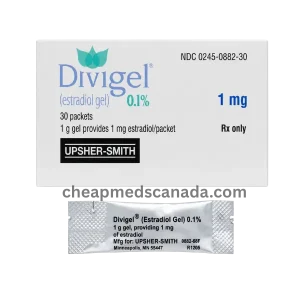
| Estradiol gel (e.g., Divigel, EstroGel) | Applied daily | Also transdermal, but daily application and variable absorption depending on skin contact time |
| Oral estradiol tablet | Taken daily | Passes through the liver first, which affects clotting factors and triglycerides differently than transdermal routes |
Transdermal options like Estradot are often preferred for women with cardiovascular risk factors or a history of migraine with aura, since bypassing the liver is associated with a lower relative impact on clotting factors compared with oral estrogen — though the choice between formulations should still be individualized with a prescriber.
Can I shower or swim while wearing an Estradot patch?
Yes. Estradot patches are designed to remain in place during normal bathing, showering, and swimming. However, prolonged soaking or vigorous rubbing of the patch area may cause the edges to loosen.
What should I do if I forget to change my Estradot patch?
Apply a new patch as soon as you remember, then continue your regular patch-changing schedule from that date. An occasional delay is unlikely to cause significant problems, but missing patches frequently may reduce symptom control.
Is Estradot the same as Vivelle-Dot or Climara?
Estradot, Vivelle-Dot, and Climara all contain transdermal estradiol, but they use different patch designs, adhesives, and drug-release systems. They are not directly interchangeable, so any switch should be made under your healthcare provider's guidance.
How long can I use Estradot?
There is no fixed treatment duration. Estradot may be used for as long as the benefits outweigh the risks, with regular reviews by your healthcare provider to determine whether continuing, reducing the dose, or stopping treatment is appropriate.
Estradot 25 is a prescription medication and should only be used under the supervision of a qualified healthcare professional. Use the patch exactly as prescribed. This information is provided for educational purposes only and is not a substitute for professional medical advice, diagnosis, or treatment.

Reviews
There are no reviews yet.