

Description
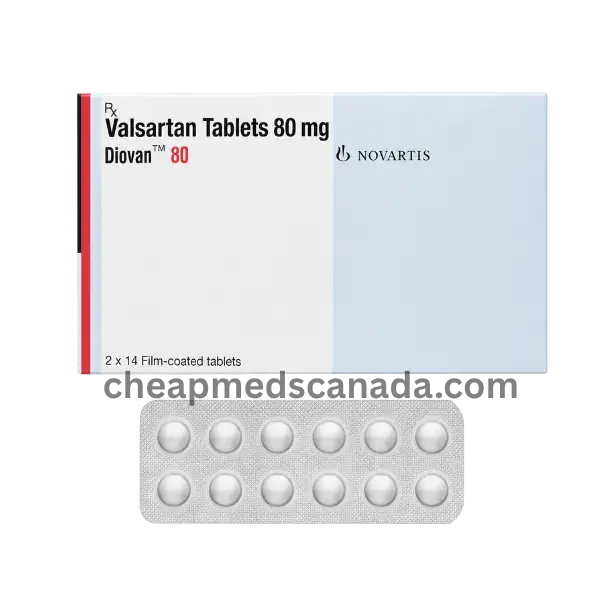
Diovan (Valsartan): What Changes — and What Doesn't — When You Switch to Generic
If your doctor just wrote "valsartan" on a script that used to say "Diovan," you're not imagining things. Somewhere in the last decade, this went from a brand-only blood pressure drug to one of the most commonly substituted medications in Canadian pharmacies. Here's what that switch actually means for you, plus everything else you need to know before your next refill.
What Diovan Actually Does
Diovan's active ingredient is valsartan, a medication in the angiotensin II receptor blocker (ARB) family. Put plainly: your body makes a hormone called angiotensin II that tells blood vessels to tighten up. Valsartan blocks the receptor that hormone would normally latch onto, so the vessels stay relaxed and blood pressure comes down.
It's prescribed for three main things:
- High blood pressure — used alone or alongside other antihypertensives
- Heart failure — particularly in patients who can't tolerate ACE inhibitors
- Left ventricular dysfunction after a heart attack — to protect a heart muscle that's been stiffened or weakened
It won't work instantly. Most people see meaningful blood pressure reduction within two weeks, with the full effect settling in around the four-week mark. That lag trips people up — they expect same-week results and get discouraged when nothing seems different by day five.
Brand Diovan vs. Generic Valsartan: The Real Differences
This is where most of the confusion lives, so let's clear it up directly.
The active drug — valsartan itself — is chemically identical whether it's stamped "Diovan" or comes from a generic manufacturer. Health Canada requires generic versions to demonstrate bioequivalence, meaning the amount of drug reaching your bloodstream, and how fast it gets there, falls within a tight range of the brand product.
What can differ:
- Inactive ingredients — fillers, dyes, coatings. Occasionally relevant if you have a specific allergy or sensitivity, but not therapeutically meaningful for most people
- Pill shape, colour, and size — this is usually the only thing patients actually notice
- Price — often significantly lower for generic valsartan than brand Diovan
- Manufacturer — which can change from refill to refill depending on what your pharmacy sources, unless you specifically request brand-name only
None of this means the medication is "weaker" or somehow inferior. It's the same molecule doing the same job. If you've been stable on Diovan for years and your doctor or pharmacist suggests switching to generic valsartan, it's almost always a cost decision, not a clinical downgrade.
Dosing: How It Typically Starts and Adjusts
Valsartan dosing depends heavily on what it's treating and how your body responds, so don't be surprised if your regimen looks different from a friend's.
For hypertension, a typical starting dose sits around 80 mg to 160 mg once daily, taken with or without food. If blood pressure isn't adequately controlled, your doctor may increase the dose over time, up to a maximum of 320 mg daily, or add a diuretic rather than pushing valsartan higher on its own.
For heart failure, dosing tends to start lower and titrate up more cautiously — often beginning around 40 mg twice daily and increasing every couple of weeks as tolerated.
A few practical notes worth keeping in mind:
- Missed a dose? Take it when you remember, unless it's nearly time for the next one — then just skip it and carry on. Don't double up.
- Valsartan doesn't cause rebound blood pressure spikes if you stop it abruptly, but that's not a reason to stop without talking to your doctor first.
- Full effect takes weeks, not days. Resist the urge to self-adjust the dose because "it doesn't seem to be working" after four days.
Switching From Another Blood Pressure Medication
If you're moving to Diovan or valsartan from a different class — say, an ACE inhibitor like ramipril — your doctor may have you overlap briefly or transition with minimal gap, since abrupt stops in blood pressure control aren't ideal even when the drug itself doesn't rebound. This is a conversation for your prescriber, not something to manage on your own timeline. If you're switching because of a dry cough on an ACE inhibitor, you're in good company — that's one of the most common reasons doctors move patients to an ARB like valsartan, which doesn't share that side effect.
Side Effects: What's Common, What's Rare
Most people tolerate valsartan without much drama. The more frequently reported effects include:
- Dizziness, especially with the first few doses or after a dose increase
- Headache
- Fatigue
- Mild upset stomach
Less common but worth knowing about:
- Elevated potassium levels (hyperkalemia) — more likely if you're also taking potassium supplements, potassium-sparing diuretics, or have kidney impairment
- Changes in kidney function markers, particularly in people with pre-existing renal disease or significant dehydration
- Rarely, swelling of the face or throat (angioedema) — this needs emergency attention, not a wait-and-see approach
Drug Interactions Worth Flagging With Your Pharmacist
A few combinations deserve a heads-up when you're picking up a refill:
- NSAIDs (ibuprofen, naproxen) — can reduce valsartan's blood-pressure-lowering effect and stress the kidneys, especially with regular use
- Potassium-sparing diuretics or potassium supplements — raises hyperkalemia risk
- Lithium — valsartan can increase lithium levels in the blood
- Other RAAS-acting drugs (ACE inhibitors, aliskiren) — generally avoided in combination due to added risk of kidney issues, high potassium, and low blood pressure
This isn't an exhaustive list. Always run your full medication list, including anything over-the-counter, past your pharmacist when starting or refilling.
Diovan and Pregnancy: A Firm No
Valsartan is contraindicated during pregnancy. Drugs that act on the renin-angiotensin system can cause serious harm to a developing fetus, particularly in the second and third trimesters — including effects on kidney development. If you're pregnant, planning to become pregnant, or find out you're pregnant while on valsartan, contact your doctor immediately so an alternative can be arranged. This isn't a "reduce the dose and monitor" situation; it's a stop-and-switch one.
Ordering Diovan or Generic Valsartan From CheapMeds Canada
We carry both brand Diovan and generic valsartan, sourced through our licensed Canadian dispensary, with a valid prescription required for either. If you're currently on brand-name Diovan and want to explore whether the generic makes sense for your budget, our pharmacists are available to talk through the switch — what to expect, what stays the same, and what (if anything) to watch for in the first few weeks.
Is generic valsartan as effective as Diovan?
Yes. Approved generic valsartan products must meet Health Canada's requirements for quality and bioequivalence, meaning they provide the same active ingredient and are expected to work in the body in a comparable way to brand-name Diovan.
Can I take Diovan with a diuretic?
Often, yes. Valsartan is commonly used alongside a diuretic when one medication alone doesn't provide enough blood pressure control. Your doctor will determine whether combination treatment is appropriate based on your blood pressure and overall health.
How long does it take for Diovan to lower blood pressure?
Blood pressure may begin to improve within about two weeks of consistent treatment, while the full effect can take around four weeks. Your doctor may monitor your blood pressure during this period and adjust treatment if needed.
What should I do if I miss a dose of Diovan?
Take the missed dose when you remember, unless it is nearly time for your next scheduled dose. In that case, skip the missed dose and continue with your normal schedule. Do not take two doses at once to make up for the missed tablet.
Diovan is a prescription medication and should be used only under the supervision of a qualified healthcare professional. This information is provided for educational purposes and does not replace professional medical advice, diagnosis, or treatment. Always follow your prescribed dosage and consult your healthcare provider with questions.




Reviews
There are no reviews yet.