


Description
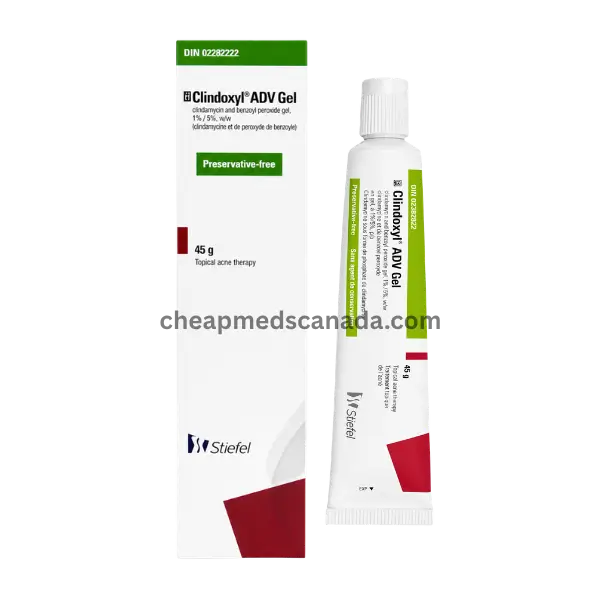
Clindoxyl Gel: Why Two Acne Ingredients Beat One
Clindamycin alone treats acne. So does benzoyl peroxide. Combining them into one gel isn't just about convenience — there's a specific clinical reason this pairing exists, and it comes down to a problem neither ingredient can fully solve on its own.
Quick Reference
| Detail | Information |
|---|---|
| Active ingredients | Clindamycin 1% + Benzoyl Peroxide 3% or 5% |
| Manufacturer | GSK (Canada) |
| Used for | Acne vulgaris (moderate) |
| Application | Once daily, in the evening |
| Time to full effect | 4 to 6 weeks |
The Actual Reason for the Combination: Resistance
Clindamycin is an antibiotic — it works by stopping the growth of Cutibacterium acnes, the bacteria that contributes to acne breakouts. Used alone, over time, bacteria can develop resistance to it, the same general problem seen with antibiotics used anywhere else in medicine. Once resistance develops, clindamycin stops working as well, sometimes not at all.
Benzoyl peroxide solves this specific problem. It kills acne-causing bacteria through an entirely different mechanism — releasing free oxygen radicals that damage the bacterial cell directly — and bacteria haven't been shown to develop meaningful resistance to it the way they can to clindamycin. Combining the two means clindamycin gets to do its job while benzoyl peroxide actively reduces the chance of resistance developing in the first place. It's not two ingredients doing the same thing twice; it's one ingredient protecting the other's long-term effectiveness.
Benzoyl peroxide also does a second job: it's keratolytic, meaning it helps soften and shed the outer layer of skin cells, which reduces the clogged pores that turn into new breakouts in the first place.
Building It Into Your Skincare Routine
Step one: cleanse. Use a mild cleanser and pat your skin dry — don't rub, and don't use anything abrasive right before applying this.
Step two: apply a thin layer, everywhere affected, not just on spots. This is a detail people commonly get wrong. Treating individual pimples one by one misses the point — Clindoxyl works across the whole acne-prone area, including skin that looks clear but is developing acne beneath the surface. A thin, even layer across the entire zone is the correct approach, not dabbing it onto visible blemishes.
Step three: wash your hands after. Simple, but easy to skip.
What to avoid combining same-day: Retinoids like tretinoin or tazarotene can increase irritation when layered with this gel, and certain antibiotics (erythromycin, sulfonamides) used at the same time can interfere with clindamycin's effectiveness or add to irritation. If your routine includes any of these, that's worth mapping out with your doctor or dermatologist rather than guessing at timing.
Sun protection isn't optional here. This medication increases photosensitivity, meaning your skin burns more easily than usual. Broad-spectrum SPF 30 or higher, every day you're using this, isn't a suggestion — it's part of using the product safely.
Fabric and hair caution: Benzoyl peroxide bleaches — pillowcases, towels, clothing, even hair color can be affected by contact. White or older linens during treatment saves you from ruining anything you care about.
What to Expect, Timeline-Wise
Don't judge results early. Full effect typically takes 4 to 6 weeks, and stopping or judging the product as "not working" before that window closes is one of the more common reasons people give up on a treatment that would have worked with more time. Continue the full course your doctor prescribed even once things start looking better — acne treatment generally needs sustained use, not a stop-once-clear approach.
Side Effects
Common:
- Itching or burning where applied
- Mild stinging
- Redness
- Dry or peeling skin
Serious — contact your doctor immediately:
- Signs of an allergic reaction — difficulty breathing, hives, swelling of the face, lips, or throat
- Severe, watery, or bloody diarrhea, stomach cramps, and bloating — a possible sign of antibiotic-associated colitis, even with a topical antibiotic
This list isn't exhaustive — if something feels wrong that isn't listed here, contact your doctor anyway.
Who Shouldn't Use It
- Allergy to clindamycin, benzoyl peroxide, or any ingredient in the formulation
- History of inflammatory bowel disease (Crohn's disease, ulcerative colitis)
- History of severe or bloody diarrhea specifically after taking an antibiotic before
Application Rules Worth Repeating
- Don't apply to broken, cut, or sunburned skin
- Avoid the eyes, mouth, nostrils, and other mucous membranes — if accidental contact happens, rinse with plenty of water for at least 5 minutes
- Don't take it orally — it's topical only
- Store below 25°C, and use within 2 months of opening
Pregnancy and Breastfeeding
Not generally recommended during pregnancy unless the potential benefit clearly outweighs the risk — animal studies have shown possible harm to a developing fetus, so this is a direct conversation to have with your doctor. It isn't well established whether topical clindamycin passes into breast milk; if you're breastfeeding and using this medication, avoid applying it to the chest or breast area specifically, to prevent any accidental transfer to a nursing infant.
Can I use clindamycin alone instead of the clindamycin and benzoyl peroxide combination?
Clindamycin-only products are available, but they are used differently. Combining clindamycin with benzoyl peroxide helps reduce the risk of antibiotic resistance, which is why this combination is often preferred for acne treatment.
Can I apply the medication only to visible pimples?
No. Apply the medication as directed to the entire acne-prone area, not just individual spots. This helps treat existing acne while preventing new blemishes that are forming beneath the surface of the skin.
Does it matter if I use it in the morning instead of the evening?
Yes. This medication is usually applied in the evening because it can increase your skin's sensitivity to sunlight. If you are outdoors during the day, use sunscreen and other protective measures as recommended by your healthcare provider.
Will this medication bleach my skin?
No. Benzoyl peroxide can bleach fabrics, towels, bedding, and hair, but it does not bleach the skin. Be careful to avoid contact with colored fabrics until the medication has fully dried.
Clindoxyl Gel is a prescription medication and should only be used under the guidance of a qualified healthcare professional. Use exactly as prescribed. Avoid contact with the eyes, mouth, and broken skin. Mild dryness, redness, peeling, or irritation may occur. Discontinue use and seek medical advice if you experience severe skin reactions or signs of an allergic reaction. This information is for educational purposes only and is not a substitute for professional medical advice, diagnosis, or treatment.

Reviews
There are no reviews yet.