
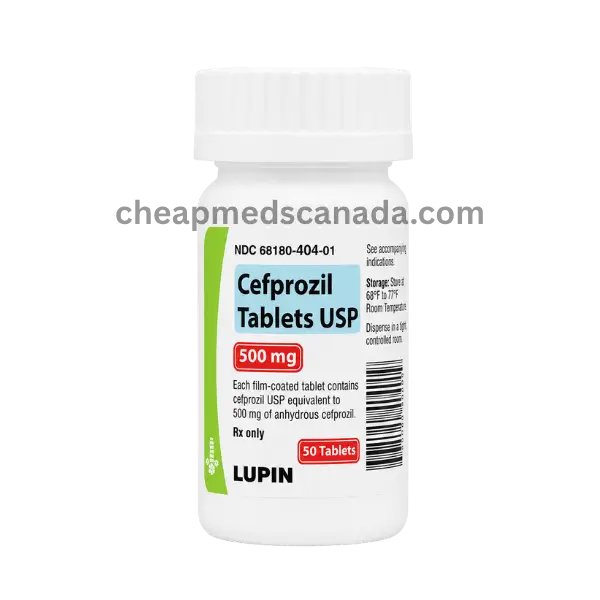

Description
Cefprozil 500 mg: Matched to the Infection It's Actually Treating
"Antibiotic for bacterial infections" covers a lot of ground — cefprozil specifically gets prescribed for a handful of common infections, and the dose, duration, and what to expect shifts depending on which one you're dealing with. Here's how it breaks down by infection type.
Quick Reference
| Detail | Information |
|---|---|
| Generic name | Cefprozil |
| Brand name | Cefzil |
| Drug class | Second-generation cephalosporin antibiotic |
| Strengths | 250mg, 500mg |
| Mechanism | Disrupts bacterial cell wall formation |
Ear Infections (Otitis Media)
One of the more common reasons cefprozil gets prescribed, particularly in kids. It targets the bacteria most often behind middle ear infections, and treatment typically runs a shorter course compared to some of the other uses below. Ear infections in children specifically are where hypersensitivity reactions like rash have been reported somewhat more often than in adults — still uncommon overall, but worth knowing if this is for your child.
Sinus Infections (Sinusitis)
Bacterial sinusitis — as opposed to the viral kind that usually clears on its own — is another common target. The tricky part clinically is that bacterial and viral sinusitis can look nearly identical symptom-wise, which is exactly why a doctor's assessment matters before starting antibiotics rather than assuming every sinus infection needs one.
Strep Throat and Tonsillitis
Cefprozil is effective against Streptococcus pyogenes, the bacteria behind strep throat, and can clear it from the throat effectively. One caveat worth knowing: for strep infections specifically tied to rheumatic fever prevention, injectable penicillin has historically been the more established, better-studied option — cefprozil isn't positioned as the go-to choice for that particular downstream concern, even though it handles the throat infection itself well.
Bronchitis and Respiratory Infections
For bacterial bronchitis and certain other lower respiratory infections, cefprozil is a standard option. As with sinusitis, distinguishing bacterial from viral bronchitis matters, since a large share of bronchitis cases are viral and won't respond to any antibiotic.
Skin and Skin Structure Infections
Cefprozil also covers a range of bacterial skin infections. This is one context where finishing the full course really matters visually — skin often looks noticeably better well before the underlying infection is fully cleared, which makes stopping early a particularly easy (and particularly risky) mistake to make.
What's the Same No Matter Which Infection
How it works: Cefprozil disrupts the process bacteria use to build their cell walls. Without a functional wall, the bacterial cell can't hold together, and it dies. This is a mechanical, structural attack rather than a subtle biochemical one, which is part of why cephalosporins tend to work quickly against susceptible bacteria.
Dosing pattern: Generally once or twice daily, taken with or without food, dose and duration set by your doctor based on which infection is being treated and your medical history.
The one rule that matters everywhere: Finish the entire course. Feeling better within a few days is common and doesn't mean the infection is gone — stopping early risks it coming back, sometimes in a form that's harder to treat with the same antibiotic.
Side Effects
Common:
- Diarrhea
- Nausea
- Vaginal itching or discharge
- Diaper rash (relevant for infants/young children)
- Abnormal liver function test results
Serious — contact your doctor immediately:
- Confusion or unusual weakness
- Dark urine
- Easy bruising or unusual bleeding
- Fever or chills
- Signs of kidney problems
- Pale or yellowed skin
- Seizures
- Severe stomach pain, or watery/bloody diarrhea
- Sore throat or mouth sores
Who Needs to Be Careful
- Penicillin allergy: Cross-reactivity between penicillins and cephalosporins is documented and occurs in up to about 10% of people with a penicillin allergy history — worth flagging clearly to your doctor even if cefprozil itself hasn't caused a reaction before.
- History of intestinal problems
- Kidney disease: Cefprozil is cleared through the kidneys, so reduced kidney function can affect dosing.
- Phenylketonuria (PKU): Mainly relevant to the liquid suspension form, which contains phenylalanine — less of a concern with tablets specifically.
- Birth control pills: Antibiotics can occasionally reduce oral contraceptive effectiveness; a backup method is worth discussing with your doctor during treatment.
- Under 6 months old: Not approved for infants younger than this.
- Pregnancy or breastfeeding: Worth a direct conversation with your doctor before starting.
How can I tell if my infection is bacterial or viral?
It is usually not possible to tell the difference based on symptoms alone. Your doctor may perform an examination or recommend tests to determine whether the infection is bacterial before prescribing an antibiotic like cefprozil.
Does the type of infection affect how long I need to take cefprozil?
Yes. The length of treatment depends on the type and severity of the infection, how well you respond to the medication, and your doctor's recommendation. Always complete the prescribed course, even if you start feeling better.
Can I use leftover cefprozil from a previous infection?
No. You should never use leftover antibiotics for a new illness. Different infections may require different treatments, and taking an antibiotic unnecessarily can contribute to antibiotic resistance.
Is cefprozil safe for children?
Yes. Cefprozil is commonly prescribed for children over 6 months of age to treat certain bacterial infections, including ear infections. The dose is carefully calculated based on the child's age and body weight.
Cefprozil 500 mg should be used only as prescribed by a qualified healthcare professional. Complete the full course of treatment, even if symptoms improve. Do not use this medication for viral infections such as colds or flu. Seek medical attention if you develop severe diarrhea, allergic reactions, or other serious side effects.




Reviews
There are no reviews yet.