
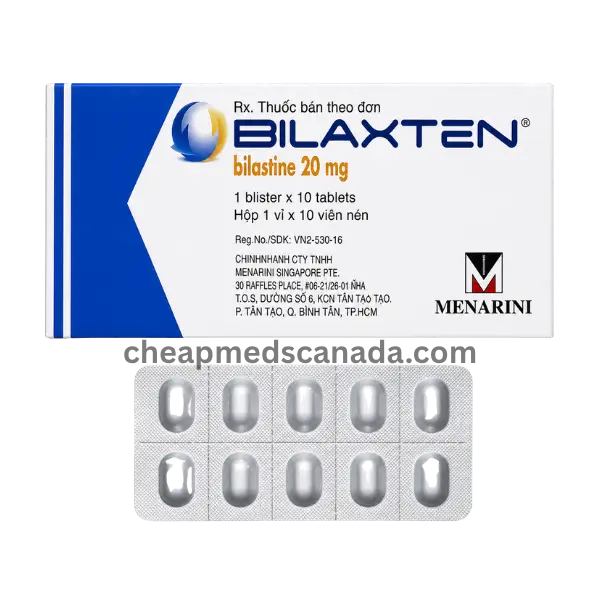

Description
Why Bilastine Gets Picked Over Older Antihistamines
Most people reach for an antihistamine expecting a trade-off: relief from sneezing and itching in exchange for feeling foggy or sleepy an hour later. Bilastine was specifically developed to avoid that trade-off. It's a selective H1-receptor antagonist that, unlike first-generation antihistamines (think diphenhydramine), barely crosses the blood-brain barrier — which is the pharmacological reason it doesn't carry the same drowsiness burden.
Compared to some other second-generation options like cetirizine, clinical comparisons have generally found bilastine causes less sedation at standard doses, while still matching them on symptom control for sneezing, itching, and nasal congestion. That combination — fast onset, full 24-hour coverage, minimal drowsiness — is why it's become a go-to option in markets where it's available (it's widely used across Europe and increasingly prescribed elsewhere, though it's not yet as universally stocked in North American pharmacies as cetirizine or loratadine).
How to Take Bilaxten 20mg
- Dose: One 20mg tablet, once daily
- Timing: Can be taken any time of day, with or without food — though taking it on an empty stomach (at least 1 hour before or 2 hours after eating) improves absorption slightly. It's not a strict requirement, but worth knowing if you're not getting full relief.
- With water: Swallow whole with a glass of water
- Consistency matters more than timing: For seasonal allergies, taking it daily through the pollen season (rather than only on bad days) tends to give more stable control than starting and stopping.
Missed a dose? Just take the next one at your regular time. There's no need to double up.
Bilaxten Side Effects
Most common (still infrequent):
- Headache
- Mild drowsiness (uncommon compared to older antihistamines, but not zero)
- Dizziness
Less common:
- Fatigue
- Dry mouth
- Gastrointestinal discomfort
When to contact your doctor:
- Signs of an allergic reaction to the medication itself (rash, swelling, difficulty breathing) — rare, but always worth flagging with any drug
- Irregular heartbeat or palpitations, particularly if you're also taking other medications that affect heart rhythm
What to Watch For: Interactions
Bilastine is metabolized differently than a lot of antihistamines, which is generally a good thing — but there are still a few interactions worth knowing:
| Interaction | What to know |
|---|---|
| Ketoconazole, erythromycin | Can raise bilastine blood levels — dose timing or monitoring may be adjusted |
| Grapefruit juice | Can reduce bilastine absorption — space it out from your dose |
| Alcohol | No strong specific interaction, but combining any antihistamine with alcohol can increase drowsiness in sensitive individuals |
| Other CNS depressants | Use caution — even though bilastine itself is low-sedation, combining with sedatives can still add up |
Who Should Be Cautious
- Kidney impairment: Dose adjustment may be needed in patients with significant renal impairment, since bilastine is cleared largely unchanged by the kidneys.
- Pregnancy/breastfeeding: Data is more limited than for older antihistamines — this should be discussed directly with your prescriber.
- Elderly patients: Generally well tolerated, but as with any antihistamine, starting at the standard dose and monitoring response is reasonable practice.
Is Bilaxten the same as bilastine?
Yes. Bilaxten is the brand name for bilastine, the active ingredient that helps relieve allergy symptoms. Depending on the country, bilastine may also be available under other brand names or as a generic product.
Does Bilaxten cause drowsiness?
Bilaxten is considered a non-sedating antihistamine and is less likely to cause drowsiness than many older allergy medications. However, a small number of people may still feel sleepy, so it's best to see how it affects you before driving or operating machinery.
Can I take Bilaxten every day during allergy season?
Yes. Bilaxten is intended for once-daily use during periods of ongoing allergy symptoms or allergen exposure. Take it exactly as directed by your healthcare provider.
How is Bilaxten different from cetirizine or loratadine?
Bilaxten, cetirizine, and loratadine are all second-generation antihistamines used to treat allergies. Bilaxten generally has a rapid onset of action and a low risk of drowsiness. Individual responses can vary, so your doctor or pharmacist can help determine which option is most suitable for you.


Reviews
There are no reviews yet.